
Blog
PET Bottle vs. Other Plastics: Which is Better?

Aug
In a world filled with plastic, we face a big question. Are PET bottles really better than other plastics? This makes us think about what we use and its effect on the planet. South Africa is fighting a huge battle with plastic trash. So, it’s key to know about sustainable options. PET stands out for being great for drinks and good for the earth. Let’s dive into why PET bottles are top choices for being green and how picking them can help us all do better for our planet.
Table of Contents
Key Takeaways
- PET bottles are a leading choice for beverage packaging due to their unique properties.
- Understanding the differences in plastics is crucial for making sustainable choices.
- Reducing plastic pollution involves recognising the benefits of eco-friendly plastics.
- Our consumption patterns directly impact the environment, especially in South Africa.
- PET’s recyclability contributes to a lower carbon footprint when compared to other plastics.
What is PET and Its Key Properties?
PET plastic is known widely as polyethylene terephthalate. It shines among plastics because of its special make-up and traits. Made from a mix of petrochemicals and oils, it fits many needs across different fields. Find out more about what PET is.
Definition and Composition
PET plastic is part of a large plastic family, known for being strong and adaptable. It’s crafted to balance strength with being light. That’s why it’s often chosen for making bottles and jars that meet our daily needs.
Physical Characteristics of PET
PET stands out for its amazing chemical resistance. This means it’s great for holding organic stuff and water. It’s both strong and light, and it doesn’t break easily. It’s like glass, but safer and still good-looking.
Applications of PET in Packaging
PET’s flexibility shines in packaging, touching many areas. It’s mainly used for drink bottles, like for fizzy drinks, juices, and water. Also, it’s good for food and personal care packaging. It gives us safe and handy options including PET Cosmetic Bottles options.
| Property | Description |
|---|---|
| Composition | Made from a blend of petrochemicals and oils. |
| Physical State | Tough, rigid, and lightweight, resembling glass. |
| Chemical Resistance | Excellent resistance to organic substances and water. |
| Applications | Used for beverage containers, food packaging, and personal care products. |
Benefits of Using PET Bottles
The importance of PET bottles is growing in our quest for sustainability. They offer many benefits for the environment and health.
Recyclability and Sustainability
PET is totally recyclable, making it exceptional among plastics. It can be turned into new items, cutting down on waste. This helps meet our goal of protecting the planet.
Low Carbon Footprint
PET production is energy-efficient, creating a small carbon footprint. Its light weight also makes it cheaper to transport. Choosing PET means we’re looking after our planet.
Safety Standards and Health Considerations
PET is known as a safe plastic because it doesn’t have BPA. It’s great for food and drink packaging, keeping us healthy. Official groups have said PET is safe for many uses.
Those looking for Plastic Bottles at Wholesale prices, look no further – PET Active are able to supply large quantities at discounted prices.
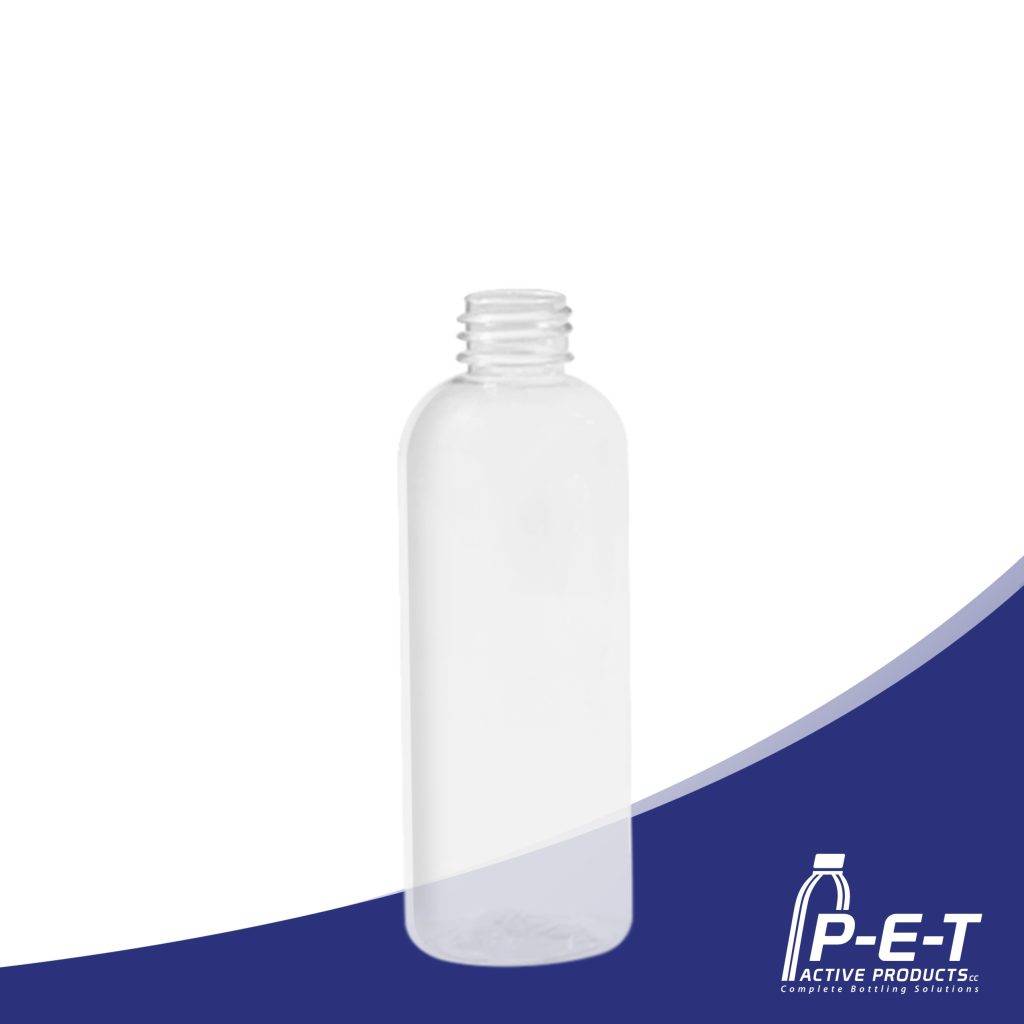
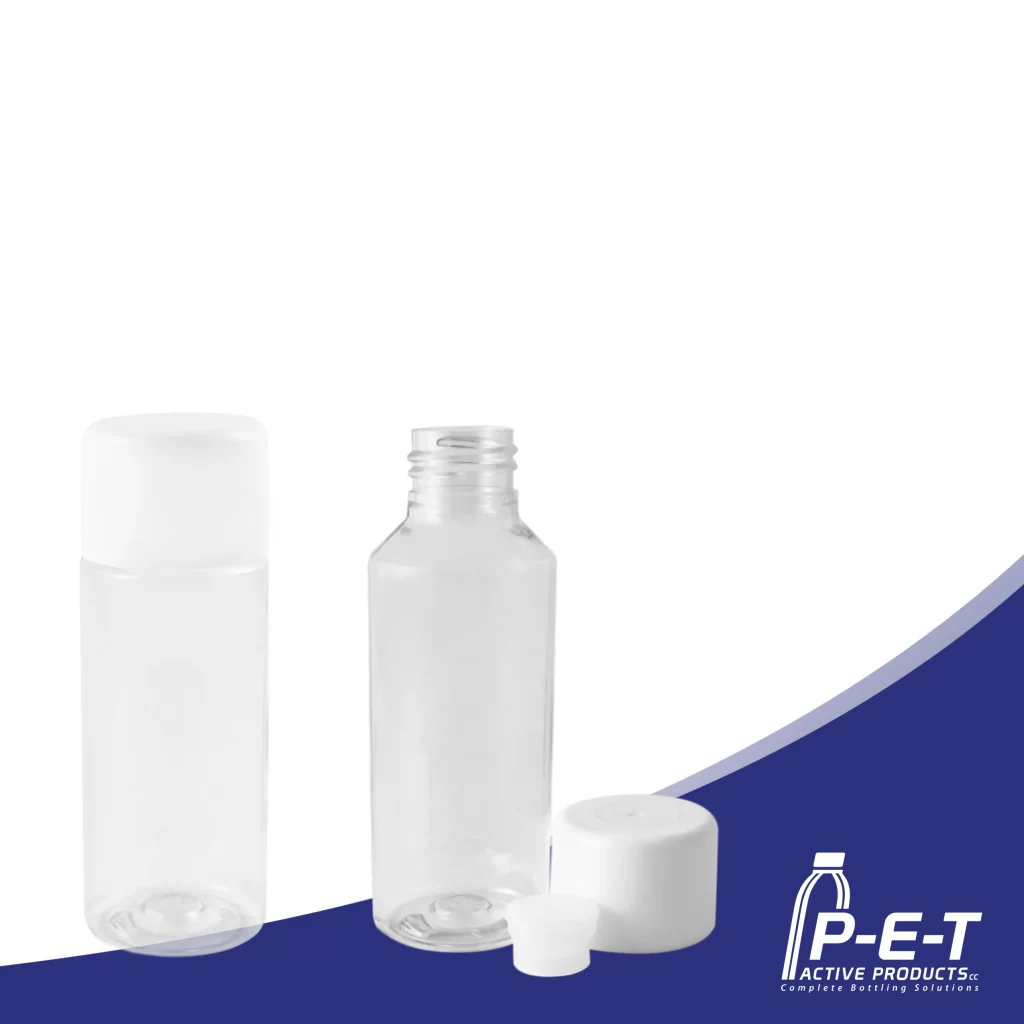
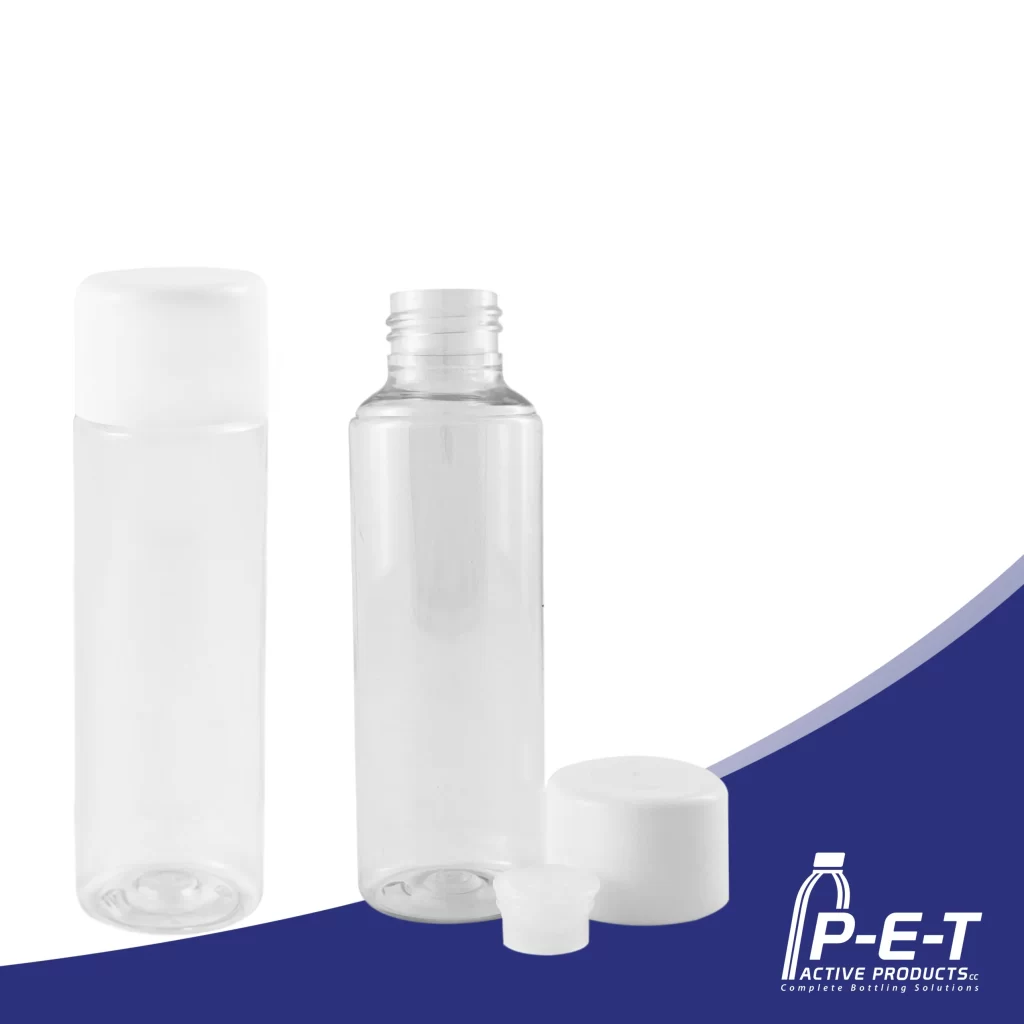
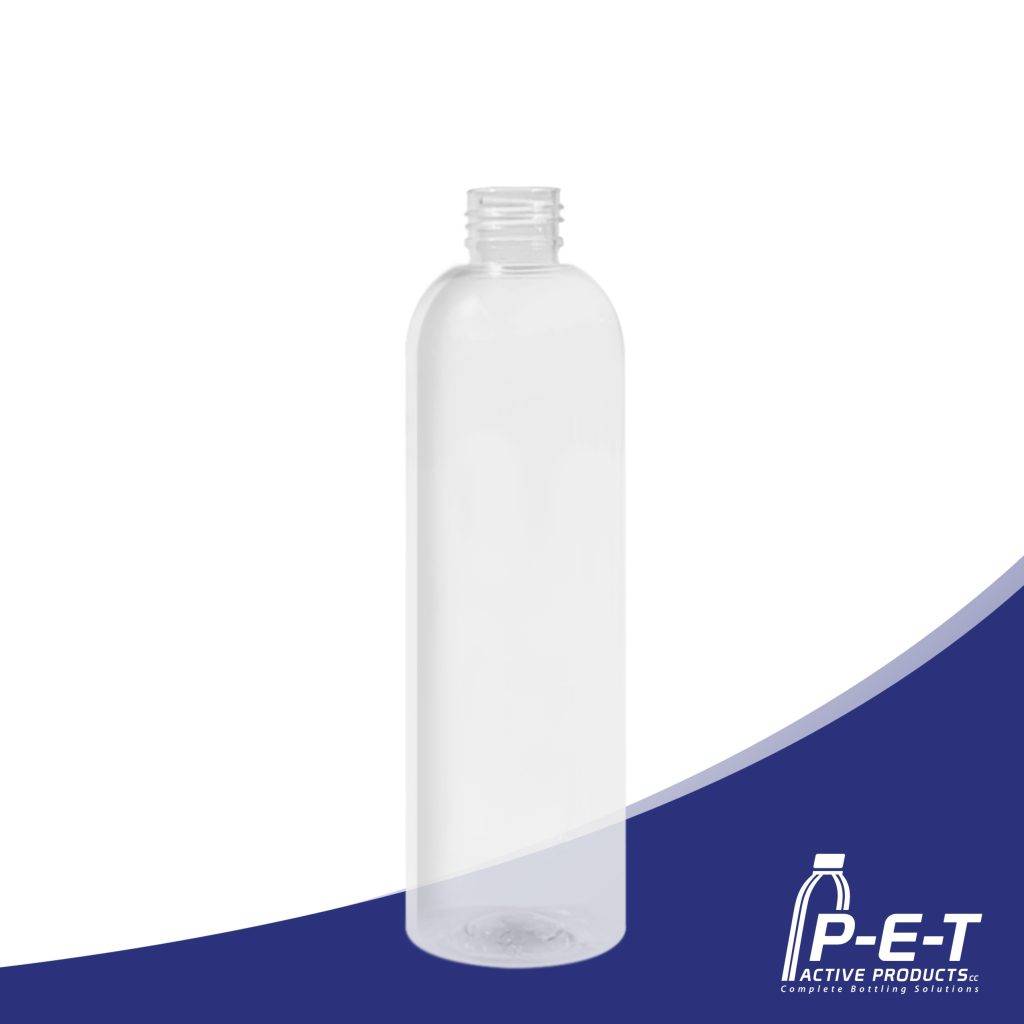
Most Popular PET Products

Plastics Comparison: PET Bottle vs. Other Plastics
In comparing plastics, it’s key to know each type’s features. Different plastics have their own uses, strengths, and effects on our planet. Here, we focus on HDPE and other commonly used plastics like polypropylene, polystyrene, and PVC.
HDPE: High-Density Polyethylene
HDPE is known for being tough and resistant to impacts. It’s great for things like medicine packaging and strong containers. Its chemical resistance, due to its high density, makes it a top choice for making various products.
PP, PS, and PVC: Other Common Plastics
Polypropylene, or PP, is flexible, which is perfect for making containers and packaging. Polystyrene, known as PS, is used in single-use items such as cups and food containers. PVC is strong and bendy, making it crucial for plumbing and building. However, PVC’s environmental effects are a big worry, unlike the more eco-friendly PET bottles. Each plastic type affects our lives and planet in different ways.
| Plastic Type | Strength | Applications | Recyclability | Environmental Concerns |
|---|---|---|---|---|
| HDPE | High | Containers, pharmaceutical packaging | Good | Low impact, generally recyclable |
| Polypropylene (PP) | Medium | Food containers, packaging | Moderate | Recycling facilities vary |
| Polystyrene (PS) | Low | Disposable cups, food packaging | Poor | High environmental impact |
| PVC | Medium | Plumbing, construction materials | Moderate | Significant environmental concerns |
Environmental Impact of PET and Other Plastics
People are using more plastics every day, raising big concerns about the environment. PET plastic is popular but also risky for our planet. We need to know how plastic waste affects us and how to handle it.
Plastic Pollution Concerns
Plastics, like PET, are filling our oceans and lands. This trash hurts animals and plants because they get caught in it or eat it. We all must work together to make less plastic and throw it away properly.
Recycling Processes and Challenges
PET plastic can be recycled, but it’s not easy. Dirty plastics can’t be recycled well. Teaching people how to dispose of plastic right is important. Better recycling systems can make PET more eco-friendly. This helps our planet.
Conclusion
PET bottles have many advantages. They are lighter and stronger than other plastics. Also, they can be recycled more easily, making them better for the environment.
Nowadays, saving the planet is very important to everyone. PET bottles help us do that. They don’t harm the environment as much and are easy to recycle. Choosing PET for packaging means we care about the earth, especially in places like South Africa where managing plastic waste is vital.
We must start using PET more for packaging. This will help protect the environment. It’s important for everyone – consumers, businesses, and governments – to support recycling. We need to make sure we are doing our best for the future of our planet.
FAQs
What are the benefits of using PET bottles over other plastic types?
PET bottles are lightweight, shatterproof, and fully recyclable. This makes them a great choice for sustainable packaging. Their production and transport emit less carbon, making them better for the environment than other plastics.
How does PET contribute to plastic recycling efforts in South Africa?
PET is highly recyclable, reducing waste in landfills and oceans. Recycling PET helps save resources and fosters a sustainable use of plastics.
What safety standards are associated with PET packaging?
PET is free from harmful chemicals like BPA, making it safe for food and drinks. It is approved by health and safety authorities around the world.
How does PET’s recyclability compare to HDPE and other plastics?
PET and HDPE are both recyclable, but PET is more widely accepted. It has a better recycling system in place, leading to higher recycling rates and less pollution.
What are the environmental concerns related to plastic pollution from PET?
Improper disposal of PET can harm the environment and marine life. It shows the importance of good plastic waste management strategies.
What other plastics should be compared to PET?
Other plastics like PP, PS, and PVC have their uses and strengths. However, they often pose bigger environmental risks than PET.
