
PET Bottles


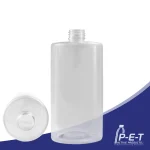
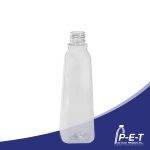
View our PET Bottle Range
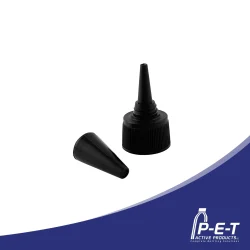
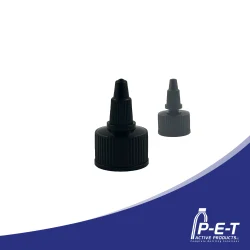
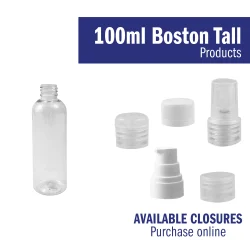
Boston Tall Range (Shop)
Price range: R307.26 through R847.24 excl. Vat
This product has multiple variants. The options may be chosen on the product page

Tissue Oil Range (Shop)
Price range: R1,458.93 through R1,674.02 excl. Vat
This product has multiple variants. The options may be chosen on the product page
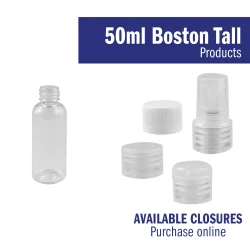
Boston Tall Range (Shop)
Price range: R459.92 through R1,177.30 excl. Vat
This product has multiple variants. The options may be chosen on the product page
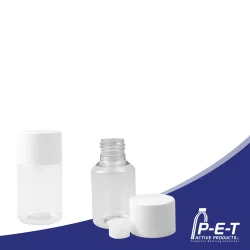
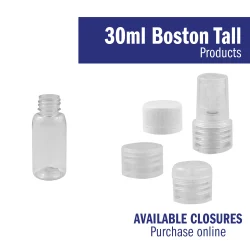
Boston Tall Range (Shop)
Price range: R604.96 through R1,624.74 excl. Vat
This product has multiple variants. The options may be chosen on the product page

Boston Tall Range (Shop)
Price range: R801.10 through R1,660.47 excl. Vat
This product has multiple variants. The options may be chosen on the product page


Boston Range (Shop)
Price range: R484.67 through R1,457.68 excl. Vat
This product has multiple variants. The options may be chosen on the product page

Boston Range (Shop)
Price range: R654.91 through R1,130.74 excl. Vat
This product has multiple variants. The options may be chosen on the product page
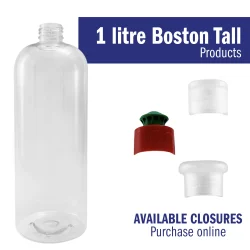
Boston Tall Range (Shop)
Price range: R305.41 through R400.27 excl. Vat
This product has multiple variants. The options may be chosen on the product page









PET Bottle FAQs
What is a PET bottle?
A PET bottle is a type of plastic bottle made from polyethylene terephthalate, a versatile polymer used for packaging beverages, food, and other liquids.
What are PET bottles made of?
PET bottles consist of Polyethylene Terephthalate, a type of plastic. This plastic is made from carbon, hydrogen, and oxygen. It’s strong and clear, perfect for packaging.
Are PET bottles recyclable?
Yes, you can recycle PET bottles. They often become new bottles, textiles, or carpeting. This helps in keeping our planet green and reducing waste.
What is a PET drink bottle?
PET stands for polyethylene terephthalate, a type of plastic commonly used for beverage containers, including water bottles, soft drink bottles, and some beer bottles. It is also found in various food and product packaging.
Can a PET 1 bottle be reused?
PET 1 plastic bottles are primarily designed for single use. While they can be reused, repeated use may cause the plastic to degrade, potentially releasing harmful chemicals like antimony, especially when exposed to high temperatures.
What are the main advantages of PET bottles?
PET bottles are tough, light, and clear. They reduce the risk of breakage, cut down on shipping costs, and show off the product inside. This makes them attractive to consumers.
What are PET bottles used for?
The cosmetics and healthcare industries are among the biggest users of PET, as its containers are essential for packaging sensitive liquids, medicines, and products that require specific storage conditions, such as medicinal oils, certain pharmaceuticals, and talcum powder.
Can PET bottles withstand high temperatures?
PET bottles can’t handle high heat. Hot liquids might cause them to change shape or release unsafe chemicals.
Is PET a safe plastic?
Often referred to as the “safe plastic,” PET has undergone extensive testing and is widely used in food and beverage applications around the world.
What does PET mean on a bottle?
PET (polyethylene terephthalate) is a type of resin and a form of polyester. It is commonly labeled with a code found on or near the bottom of bottles and other containers. PET is valued for its strength, thermal stability, gas barrier properties, and transparency.
What does PET stand for on plastic bottles?
PET stands for Polyethylene Terephthalate, a type of plastic widely used for making bottles and other packaging materials.
Are PET bottles safe to reuse?
PET bottles are generally safe to reuse, but they should be washed properly to prevent contamination and degradation of the plastic.
How to tell if a bottle is PET?
How can you tell if something is made of PET? It’s simple—look for the number 1 symbol. PET packaging is commonly used for water and soft drink bottles. Most plastic packaging features a number inside the triangular recycling symbol, typically found at the bottom.