
Blog
What is PET?
Jul
Have you ever wondered about the plastic used in your water bottle or food packaging? In this article, we’ll explore the world of PET plastic bottles, its properties, applications, and environmental impact. By the end, you’ll have a clear understanding of this versatile material and its role in our daily lives.
What is PET Plastic?
PET, or polyethylene terephthalate, is a clear, durable, and versatile plastic widely used in various industries. It’s known for its strength, transparency, and resistance to microorganisms, making it an ideal choice for food and beverage packaging.
Key Properties of PET
- Strong and lightweight
- Transparent with a glossy finish
- Resistant to microorganisms
- Durable and cost-effective
- Highly recyclable
Common Applications of PET
PET plastic finds its way into numerous products we use daily. Here are some of the most common applications:
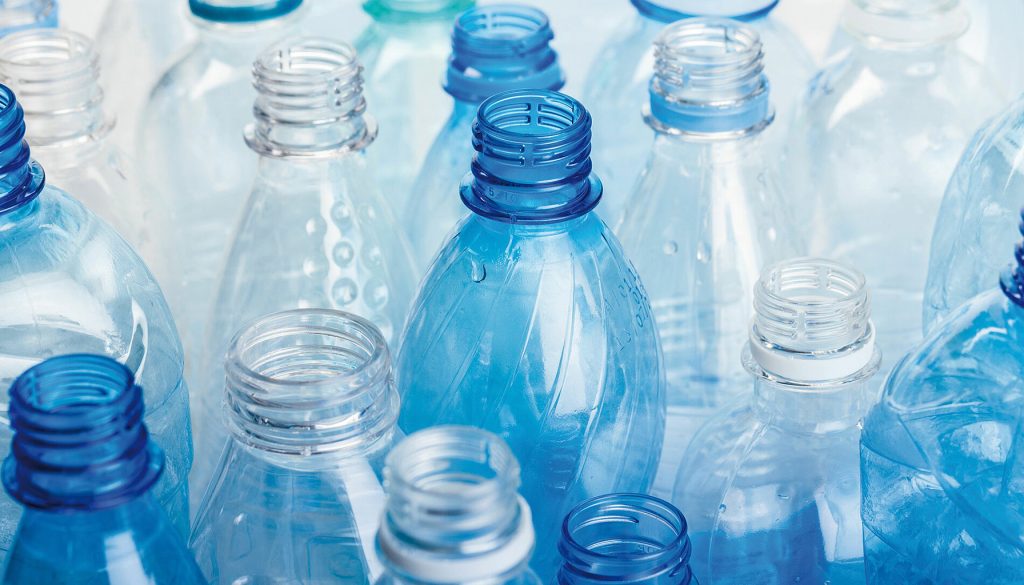
- Beverage bottles (water, soda, juice)
- Food packaging containers
- Health and beauty product containers / Cosmetic Bottles
- Cleaning agent bottles
- Clothing and textiles (polyester)
The Manufacturing Process
The journey of PET plastic from raw materials to finished products is fascinating. Here’s a simplified overview:
- PET resin pellets are produced from petroleum-based materials
- The pellets are heated and melted
- The molten plastic is shaped into various forms using techniques like blow molding or injection molding
- The shaped plastic is cooled and solidified
Find out more about PET Actives Manufacturing Process.
Safety and Regulatory Recognition
PET plastic has been thoroughly tested and is recognized as safe by global health authorities. It’s approved for use in:
- Food and beverage packaging
- Personal care products
- Pharmaceutical containers
- Medical applications
This widespread acceptance is due to PET’s inert nature and resistance to chemical interactions with its contents.
Environmental Impact and Recycling
One of the most significant advantages of PET plastic is its recyclability. Here are some key points about PET recycling:
- Up to 100% of PET can be recycled
- It can be reused multiple times without significant degradation
- Recycled PET (rPET) helps reduce environmental impact and energy consumption
Industry Efforts to Increase Recycling
The beverage industry and plastic suppliers are making significant efforts to increase PET recycling:
- Collaboration with recycling organizations
- Investment in modern collection and processing technologies
- Educational initiatives to promote proper recycling practices
- Advocacy for improved recycling policies
The Future of PET Plastic
As we move towards a more sustainable future, the PET industry is evolving. Here are some trends to watch:
- Increased use of recycled PET (rPET) in new products
- Development of bio-based PET alternatives
- Improved recycling technologies
- Extended producer responsibility programs
Wrapping Up: The PET Plastic Puzzle
PET plastic plays a crucial role in our modern lives, from keeping our beverages fresh to protecting our food and personal care products. While it offers many benefits, including recyclability and durability, it’s essential to use and dispose of PET products responsibly.
By understanding the properties, applications, and environmental impact of PET plastic, we can make more informed decisions about our consumption and recycling habits. Remember, every time you recycle a PET bottle, you’re contributing to a more sustainable future.
What is PET made of?
PET (Polyethylene Terephthalate) is a type of plastic made from ethylene glycol and terephthalic acid. It is a polymer resin that is formed through a chemical reaction between these two compounds. PET is commonly used for packaging materials, including plastic bottles and containers, due to its strength, transparency, and ability to be recycled.
How is PET recycled?
PET recycling involves several steps:
Collection: PET bottles and containers are collected from recycling bins and centers.
Sorting: The collected PET is sorted from other types of plastics and materials.
Washing: The sorted PET is washed to remove any contaminants such as food residue and labels.
Shredding: The clean PET is shredded into small flakes.
Melting: The PET flakes are melted down and formed into pellets.
Manufacturing: These pellets can then be used to produce new PET products, including bottles, containers, and fibers for textiles.
What are the environmental benefits of using PET?
The environmental benefits of using PET include:
Recyclability: PET is 100% recyclable, reducing the need for new raw materials.
Energy Efficiency: Producing PET from recycled materials uses less energy compared to producing new PET.
Reduced Carbon Footprint: Recycling PET helps lower greenhouse gas emissions.
Lightweight: PET packaging is lightweight, reducing transportation costs and energy consumption.
Durability: PET’s durability extends the shelf life of products, reducing waste.
Can PET be biodegraded?
PET is not biodegradable. However, it is highly recyclable and can be repurposed into new products multiple times. Efforts are ongoing to develop biodegradable alternatives and improve recycling technologies to manage PET waste more effectively.
What are the common uses of PET?
PET is widely used in various applications, including:
Beverage Bottles: Water, soda, and juice bottles.
Food Containers: Packaging for food items such as jars, trays, and clamshells.
Textiles: Fibers for clothing, carpets, and upholstery.
Industrial Applications: Sheets and films for various industrial uses.
Consumer Goods: Items such as cosmetic containers, household cleaners, and personal care products.
What does PET stand for?
PET stands for Polyethylene Terephthalate. It is a type of plastic commonly used for packaging food and beverages, personal care products, and many other consumer goods due to its strength, clarity, and recyclability.
Is PET plastic safe?
Yes, PET plastic is considered safe for use in food and beverage packaging. It is approved by health and safety agencies around the world, including the U.S. Food and Drug Administration (FDA) and the European Food Safety Authority (EFSA). PET is non-toxic, does not contain BPA (Bisphenol A), and does not leach harmful chemicals into its contents under normal conditions.
What is PET material?
PET material, or Polyethylene Terephthalate, is a type of polyester used in a wide variety of applications. It is known for its strength, thermal stability, and transparency. PET is commonly used to make plastic bottles, food containers, and synthetic fibers for clothing and textiles. Its recyclability makes it a popular choice for sustainable packaging.
What does PET mean in products?
In products, PET refers to the material Polyethylene Terephthalate. When a product is labeled as made from PET, it means that the plastic used is a durable, lightweight, and recyclable polyester. PET is widely used in packaging for beverages, food, personal care items, and many other consumer goods due to its versatility and safety profile.
