
Blog
Why PET Bottles Are the Go-To Choice for Soft Drinks
Jun
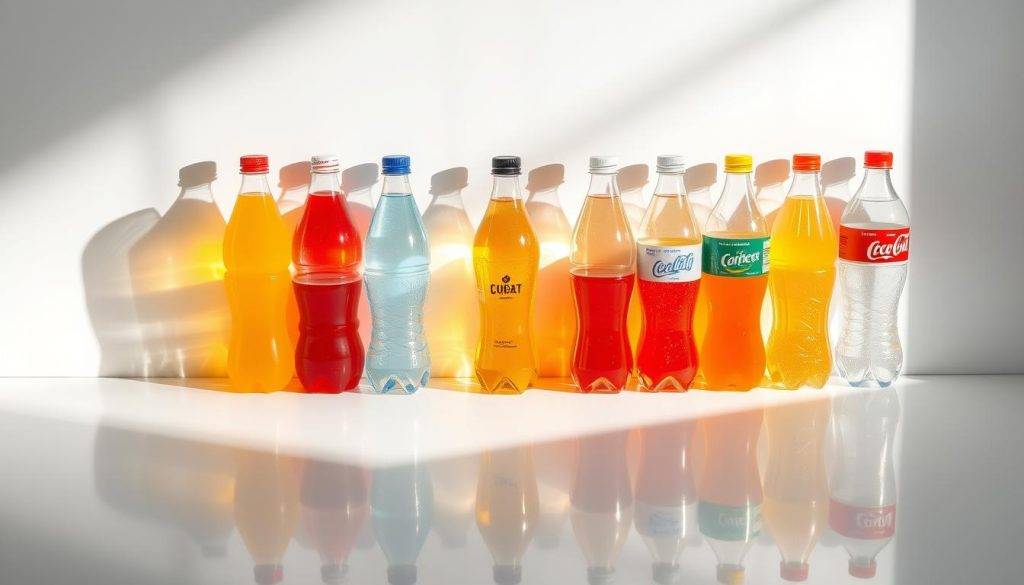
We see many soft drinks, juices, and waters in stores, each in its own packaging. PET (Polyethylene Terephthalate) bottles are the top pick for soft drinks. They are strong, safe, and good for the planet. About 70% of soft drinks use PET bottles, showing it’s a big hit in the industry.
PET bottles have changed a lot. They are now 30% lighter than before, making them easier to carry and better for the environment. To learn more, visit www.petactive.co.za or call +27 71 773 0527.
Key Takeaways
- PET bottles are the preferred choice for soft drink packaging due to their durability, safety, and sustainability.
- 70% of soft drinks are packaged in PET plastic bottles, making them a staple in the industry.
- PET bottles have been redesigned to be 30% lighter, reducing transportation costs and environmental impact.
- PET is recognized as a food-grade plastic, ensuring contamination-free food and beverage packaging.
- PET bottles are highly recyclable, contributing to environmental sustainability and reducing the demand for virgin plastic.
- Coca-Cola aims for 100% of its packaging to be recyclable by 2025, with a focus on PET bottles.
- PET can be recycled multiple times, allowing bottles to be repurposed into products such as fabric and new bottles.
Understanding PET: What Is It?
PET, or Polyethylene Terephthalate, is a common plastic used for packaging. It’s often used for carbonated beverages and soda. This plastic is like polyester, but made strong and clear for packaging.
PET is used for about 70% of soft drinks, including PET carbonated beverages and juices. It’s strong, resistant to heat and chemicals, and doesn’t wear down easily.
Some of the key benefits of PET include:
- High recyclability, with the ability to be repurposed into new bottles, containers, or polyester fibers for clothing
- Lightweight and portable, making it easy to transport and store
- Resistant to impact and breakage, reducing the risk of damage during transportation and usage
PET is very important in the packaging industry, for PET for soda and other PET carbonated beverages. Knowing its benefits helps us see its value in our lives and its role in sustainable development.
| PET Benefits | Description |
|---|---|
| Recyclability | Highly recyclable, with the ability to be repurposed into new products |
| Portability | Lightweight and easy to transport and store |
| Impact Resistance | Resistant to impact and breakage, reducing the risk of damage |
The Benefits of PET for Beverage Packaging
We know how important sustainable packaging is in the beverage world, and in South Africa, it’s even more critical. Many companies are now using PET cola bottles and PET carbonated drinks. PET is great because it’s very light and almost unbreakable. This means it’s cheaper to ship and less likely to break.
Recent stats show that PET recycling efforts have saved over 2.1 billion bottles from landfills in South Africa. This helps reduce waste and boosts the economy. Plus, 55% of PET bottles get recycled into new things, which is good for the planet.
Some main benefits of PET bottles are:
- They’re affordable to make
- They can withstand impacts and don’t break easily
- They’re light and easy to carry
As we look for better packaging, PET is a top choice. It’s tough, versatile, and made in an eco-friendly way. PET cola bottles and PET drinks are good for both businesses and people.
Choosing PET bottles helps us reduce our impact on the environment. As responsible consumers, we should pick eco-friendly options like PET. This helps cut down on waste and supports recycling.
| PET Recycling Rate | Year | Tonnage |
|---|---|---|
| 46.3% | 2018 | 352,000 |
| 64% | 2020 | 74,328 |
Environmental Considerations of PET Bottles
Understanding the environmental impact of PET bottles is key, mainly for soda and carbonated drinks. PET bottles have a lower environmental footprint than other materials. They need less energy to make, which cuts down on carbon emissions during transport.
PET bottles are 100% recyclable and can be made from 100% recycled content. This is a big plus for reducing waste and supporting a circular economy. Compared to other materials, PET bottles are more eco-friendly for packaging drinks.
- Lower energy consumption during production
- Reduced carbon emissions during transportation
- 100% recyclable and can be produced with 100% recycled content
PET bottles are a greener choice for packaging soda and other carbonated drinks. They help us cut down on waste, encourage recycling, and lessen our environmental impact.
Consumer Preference for PET Bottles
Consumer choice is key in the packaging world, and PET bottles are a top pick. They’re easy to use and fit well with today’s fast-paced lives. People want packaging that’s simple, safe, and works for them on the go.
PET bottles are great because you can seal them again. This meets the need for something portable and green. Brands can win over customers by using high-quality PET bottles. This is perfect for drinks like soda and sparkling water, which need a strong bottle.
- They’re light and easy to carry.
- They’re tough and less likely to break, keeping drinks safe.
- They’re good for the planet and save money compared to other materials.
- Brands can make them look unique, making them stand out.
Brands that get what consumers want can make better packaging. This builds trust and loyalty. As more people want green and easy packaging, PET bottles will keep being a favorite.
PET’s Role in Carbonation Retention
PET is key in keeping carbonation in drinks, like soft drinks. It stops carbon dioxide from escaping. This keeps the drink’s fizz and flavor just right.
For soda bottles, PET’s special properties are important. The right PET has a certain viscosity that helps keep drinks fizzy. In South Africa, businesses choose PET for its strength and durability.
- It keeps carbonation in, so drinks stay fizzy.
- It’s clear and strong, making packaging safe and durable.
- It’s cheaper to make than other materials.
- There are many types of PET for different needs.
In short, PET is essential for making fizzy drinks. Its special qualities make it perfect for packaging. As we look for greener packaging, PET’s role will grow even more.
How PET Bottles Are Made
Ever wondered how PET cola bottles and carbonated drinks are made? The process is complex and requires a lot of attention to detail. From picking the raw materials to packaging and shipping, each step is important for quality and safety.
The journey begins with making PET pellets at 530°F (275°C). These pellets are then molded into bottle shapes at high temperatures. But, about 10% to 25% of plastic is lost during this process due to trimming and leaks.
The Production Process
Quality checks are a big part of making PET bottles. Bottles are tested by dropping them from certain heights and applying forces to see if they can withstand impact. They also need to keep their shape under pressure and not let carbonated drinks go flat.
Quality Control Measures
Some interesting facts about PET production include:
- PET makes up 6.4% of all packaging materials.
- It’s 14% of all plastic containers.
- 43% of soft drink containers are PET bottles.

PET is a popular choice for soft drinks because it’s strong, doesn’t break easily, and can be fully recycled. It’s made from oil and gas, and its use is growing fast, around 8% a year in Kenya. This shows PET’s big role in the drink industry.
Innovations in PET Bottle Design
New technologies and innovations are changing PET bottles. They make these bottles more sustainable and useful. Now, we can see big steps forward in eco-friendly materials and designs.
Coca-Cola has made its PET bottles lighter. They went from 27 grams to 21 grams in 10 years. Now, they’re even lighter, at 18.5 grams. This change will save about 800 million bottles by 2025, cutting down carbon emissions a lot.
Some cool changes in PET bottle design include:
- Lighter and customizable designs, like Coca-Cola’s new bottles. They use less plastic and cut down on carbon emissions.
- Eco-friendly materials, like recycled PET (rPET). It’s used to make new bottles, reducing waste and carbon footprint.
- Reusable PET bottles, like ALPLA’s. They can be filled up to 25 times, making packaging more durable and green.
These changes help the environment and let brands stand out. They attract customers who care about the planet. As we move forward, we’ll see even more ways to make PET bottles better for our planet.
| PET Bottle Type | Weight Reduction | Carbon Emissions Reduction |
|---|---|---|
| Redesigned PET bottle | 18.5 grams | Equivalent to removing 17,000 cars from the road for one year |
| Reusable PET bottle | Up to 90% compared to glass | 30% reduced carbon footprint |
Safety and Regulations Surrounding PET Bottles
When we talk about PET cola bottles and PET carbonated drinks, safety and rules are key. The FDA makes sure PET bottles are safe and right for drinks. This helps keep us safe while enjoying our favorite beverages.
Here’s why rules matter:
- PET bottles have strict rules to keep them safe and good for drinks.
- The FDA says PET 1 plastic is okay for one-time use.
- Tests show little to no chemicals get into drinks from PET 1 bottles.
But, PET 1 bottles aren’t for hot drinks. This is because hot liquids can make chemicals leak out. By sticking to these rules, we can use PET bottles safely.
In short, keeping PET bottles safe is very important for drinks. By knowing and following these rules, we help make sure PET bottles are safe for all of us.
| Regulation | Description |
|---|---|
| FDA guidelines | Ensure safety and suitability of PET bottles for the beverage industry |
| PET 1 plastic classification | Safe for single-use applications |
| Chemical migration | Minimal under normal conditions |
The Future of PET in the Beverage Industry
Looking ahead, PET for soda and carbonated drinks will remain key in the beverage world. There’s a growing push for eco-friendly packaging. This is driving research into biodegradable materials.
Some major trends for PET in the future include:
- More focus on sustainable and recyclable packaging
- Work on biodegradable PET materials
- Efforts to make manufacturing more efficient and cut waste
PET bottles are a big deal, making up 67% of the market. This includes water, soft drinks, energy drinks, tea, and coffee. As people care more about the planet, companies are making eco-friendly packaging a priority.
The industry is working hard to be greener. By using sustainable practices and new packaging ideas, it can lessen its environmental footprint. It’s vital to focus on making PET bottles better for the planet as demand grows.
| Material | Market Share |
|---|---|
| PET | 67% |
| Aluminum | 21% |
| Glass | 12% |
Comparing PET to Other Materials
PET is a top choice for packaging PET carbonated beverages. It has unique qualities that set it apart from other materials. Let’s look at how PET compares to glass and aluminum.
PET cola bottles are favored in the beverage world. They are light, won’t break easily, and are affordable. In 2021, PET made up 44.7% of single-serve drink packaging in the US.
- PET is more convenient and safer than glass bottles
- PET is more environmentally friendly than glass bottles
- PET has a wider range of applications than aluminum cans
Aluminum cans have their benefits, but PET bottles are more versatile. As we seek greener packaging, PET’s role in the beverage industry will likely grow.
Thinking about the future of packaging, we must consider each material’s strengths and weaknesses. Knowing PET’s benefits helps us choose the best packaging for our products.
The Lifespan of PET Bottles
PET bottles last a long time, but they need to be stored and disposed of right. This helps reduce their harm to the environment. If stored well, PET bottles can stay good for years. But, when they’re done, we must recycle or dispose of them properly.
Looking at the numbers, we see a big problem. Over half a trillion PET bottles are made every year. Yet, 70% of them aren’t recycled. Of those that are, only a third become new bottles. This shows we need to recycle more and dispose of PET bottles, like those for soda and other carbonated drinks, better.
To make PET bottles last longer and be disposed of right, we can follow some tips. Storing them well and recycling them helps a lot. Here are some important steps:
- Keep PET bottles in a cool, dry spot to slow down wear.
- Recycle PET bottles whenever you can to cut down on trash.
- Join efforts to use refillable containers for drinks in PET bottles.
By doing these things, we can lessen the harm PET bottles cause. This helps us move towards a greener future for drinks in PET bottles.
| Material | Recyclability | Reuse |
|---|---|---|
| PET | Yes | Refillable containers |
| Glass | Yes | Refillable containers |
| Aluminum | Yes | Recyclable cans |
Conclusion: Why PET Stands Out
PET bottles are the top pick for the soft drink world. They offer durability, safety, and are good for the planet. This makes them a leading choice for packaging.
PET’s light but strong design makes it easy to ship without breaking. It’s also recyclable, which is key for those caring about the environment. As more people drink from bottles, PET’s market is expected to grow. New eco-friendly options will keep it popular.
The success of PET bottles in the soft drink field comes from meeting everyone’s needs. They are safe, easy to use, and good for the planet. We think PET will keep being the favorite choice for a long time.
FAQ
What is PET and why is it the preferred material for soft drink packaging?
PET, or Polyethylene Terephthalate, is a type of polyester. It’s popular in the beverage industry for its durability, clarity, and safety. About 70% of soft drinks, including carbonated drinks, juices, and water, use PET bottles. This is because they are strong, resistant to heat and chemicals, and don’t break easily.
What are the practical advantages of PET bottles?
PET bottles are very light and almost unbreakable. This makes them cheaper to ship and less likely to break. It keeps drinks fresh during transport and use. Plus, PET bottles can be made in many shapes, helping brands stand out.
How are PET bottles environmentally friendly?
PET bottles are actually better for the environment than glass. They use less energy to make and are lighter, which cuts down on carbon emissions. They can also be recycled, helping to create a closed-loop system.
What are the benefits of PET bottles for carbonated beverages?
PET bottles can handle the pressure of carbonated drinks well. They keep the fizz in, so drinks stay tasty. This is because PET blocks carbon dioxide from escaping.
How are PET bottles manufactured and what quality control measures are in place?
Making PET bottles is a detailed process with strict quality checks. From picking raw materials to packaging, every step follows strict rules. This ensures bottles are safe and of high quality.
What innovations are happening in the PET bottle industry?
The PET bottle industry is always improving. New materials and designs are being developed. This lets brands offer unique products that appeal to those who care about the environment.
Are PET bottles safe for use in the beverage industry?
Yes, PET bottles meet strict FDA standards. This makes them safe for drinks. They don’t harm people when used correctly.
What is the future of PET in the beverage industry?
PET’s future looks bright, with a focus on being more eco-friendly. As people care more about the planet, companies are working on green packaging. This includes biodegradable PET.
How do PET bottles compare to other packaging materials like glass and aluminum?
PET bottles are more convenient and safe than glass. Aluminum cans have their benefits too. But PET’s flexibility and wide use make it a top choice.
How long do PET bottles last and how should they be disposed of?
PET bottles can last a long time if stored right. They should be recycled or disposed of properly when they can’t be used anymore. This helps reduce their environmental impact.
