
Blog
Why More Brands Are Choosing PET Over Other Plastics

Apr
More brands are turning to PET plastic for their packaging. It’s clear why: PET is lightweight, shatter-resistant, and fully recyclable. This makes it a top pick for many.
For more info on PET plastic and its perks, check out www.petactive.co.za or dial +27 71 773 0527. With PET being a leader in recycling, it’s no surprise brands are switching. The growing need for recycled PET (rPET) in different sectors is also pushing PET adoption.
Key Takeaways
- PET plastic is one of the most recycled plastics globally, making it a popular choice for brands using PET.
- PET adoption is driven by its unique properties and benefits, including being lightweight and shatter-resistant.
- PET can be recycled repeatedly without significant degradation in quality or properties.
- There is a strong demand for recycled PET (rPET) in various industries, driving PET adoption.
- PET plastic uses less energy and generates fewer greenhouse gases compared to common packaging alternatives.
- PET provides almost 9 times more protection against oxygen transmission than PLA, making it a great choice for packaging.
What is PET and Why is it Popular?
PET, or polyethylene terephthalate, is a strong, stiff synthetic material. It belongs to the thermoplastics family. Its strength, lightweight, and chemical resistance make it popular in packaging.
As we look at PET packaging trends, it’s clear PET is a favorite for brands wanting to be eco-friendly.
PET is a big player in the global demand for polyester, with a lot used for bottles. For more on PET plastic and its perks, check out PETActive.
Some key benefits of PET include:
- Recyclability: Up to 100% of a PET package can be made from recycled materials.
- Sustainability: PET is nearly unbreakable and cheap to make and recycle.
- Non-toxic properties: rPET is the only recycled material okay for food use.
In South Africa, PET is the second most recycled plastic, with 74,328 tonnes recycled in 2018. As PET packaging trends grow, its environmental and cost benefits are key to consider.
Environmental Benefits of PET
PET adoption is on the rise among brands for its green perks. It’s fully recyclable, cutting down on waste and saving resources. This makes PET a top choice for companies aiming to lessen their environmental footprint.
Some key green benefits of PET are:
- Less greenhouse gas emissions
- More natural resources saved
- Less waste in landfills
Studies show PET packaging has a lower carbon footprint than other packaging. Using recycled PET materials in production also cuts down on environmental harm.
As more brands switch to PET, the need for eco-friendly packaging grows. With the right setup, PET can be recycled and reused. This reduces landfill waste and saves natural resources. For more on PET plastic and its advantages, check out www.petactive.co.za or call +27 71 773 0527.
| PET Packaging Benefits | Environmental Impact |
|---|---|
| 100% Recyclable | Reduced waste in landfills |
| Lower Carbon Footprint | Decreased greenhouse gas emissions |
| Conservation of Natural Resources | Reduced consumption of natural resources |
Leading Brands Utilizing PET
Many top brands are turning to PET plastic for their packaging. For instance, Coca-Cola has vowed to use PET bottles. Unilever has also started using PET in their sustainable packaging efforts.
Nestlé is now using recycled PET in their packaging. This move shows how big brands are embracing PET adoption. They choose PET for its recyclability, durability, and cost savings. It’s a smart choice for companies wanting to lessen their environmental impact.
Some notable examples of brands using PET include:
- Coca-Cola: committed to using PET bottles in their packaging
- Unilever: launched sustainable packaging initiatives that include the use of PET plastic
- Nestlé: using recycled PET in their packaging
To learn more about PET plastic and its benefits, visit www.petactive.co.za or call +27 71 773 0527.
By choosing PET, these brands are making a positive change. They’re helping to create a more sustainable future.
| Brand | PET Usage |
|---|---|
| Coca-Cola | Committed to using PET bottles |
| Unilever | Launched sustainable packaging initiatives with PET |
| Nestlé | Using recycled PET in packaging |
The Economic Advantages of PET
PET packaging is gaining popularity because it’s affordable and can be recycled. Recent data shows PET is cheaper to produce, which means lower costs for consumers.
PET has many economic benefits. It uses less energy during transport and costs less to make than other plastics. Some key advantages include:
- Lower production costs
- Reduced energy consumption during transport
- High strength-to-weight ratio, making it ideal for packaging needs
- 100% recyclable and can be recycled multiple times
Brands using PET also benefit from the growing recycling market. This helps reduce waste and lessen environmental harm. For more on PET packaging trends and its benefits, visit www.petactive.co.za or call +27 71 773 0527.
PET’s economic benefits make it a great choice for brands wanting to save money and reduce their environmental impact.
| Benefits of PET | Description |
|---|---|
| Cost-effectiveness | PET production is a cost-effective option for packaging, resulting in lower final consumer costs. |
| Recyclability | PET is 100% recyclable and can be recycled multiple times, reducing waste and minimizing environmental impact. |
| High strength-to-weight ratio | PET has a high strength-to-weight ratio, making it ideal for packaging needs. |
PET vs. Other Plastics: A Comparison
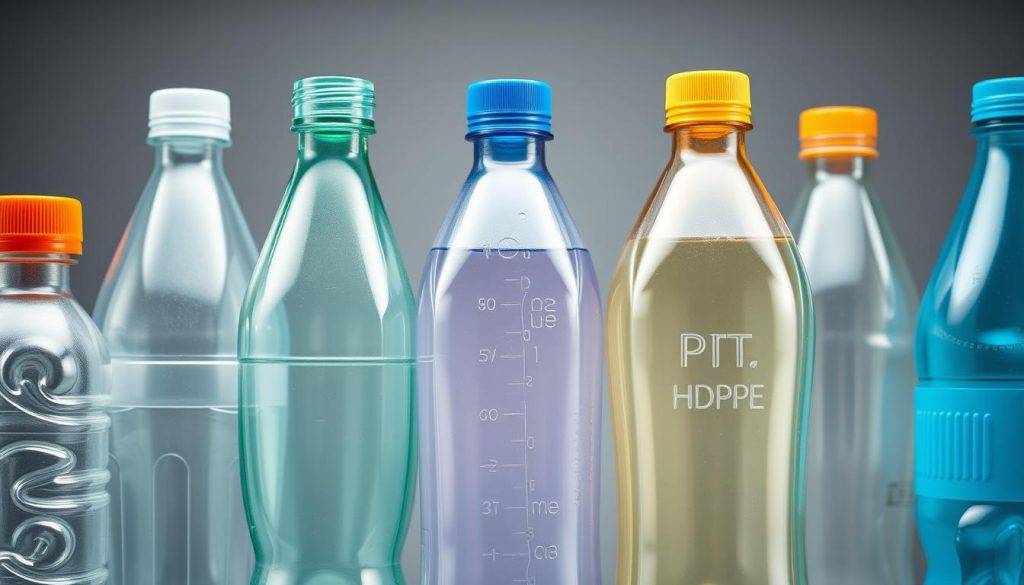
When looking at PET adoption, it’s key to compare it with other plastics. PET stands out because it has a lower carbon footprint and can be recycled. Brands using PET also benefit from its durability and endless recyclability.
PET has a lower carbon footprint than many plastics. For instance, PVC is seen as the most hazardous plastic due to toxic chemical leaching. Yet, PET is widely accepted by recycling programs, making it more likely to be recycled.
Here are some key differences between PET and other plastics:
- PET is the most recycled plastic worldwide, with a recycling code of #1.
- HDPE is considered the second most widely accepted plastic in recycling after PET.
- PVC has low recycling rates, contributing to environmental pollution.
Recycling PET brings many environmental benefits. It saves over 1 million tonnes of carbon emissions and prevents almost 5 million m³ of landfill space. With over 74,300 tonnes of PET recycled in South Africa last year, it’s clear that brands using PET can help the environment.
To learn more about PET plastic and its benefits, visit www.petactive.co.za or call +27 71 773 0527.
| Plastic Type | Recycling Rate | Environmental Impact |
|---|---|---|
| PET | High | Low |
| HDPE | Medium | Medium |
| PVC | Low | High |
The Role of PET in Beverage Packaging
PET packaging trends are growing fast. Many brands choose PET for its special qualities. It’s popular for drinks like soda, water, and juice.
PET is great because it’s fully recyclable. This makes it a good choice for brands wanting to help the environment. It’s also light, strong, and can be made in many ways. This makes PET both affordable and flexible.
Some key benefits of PET packaging are:
- Recyclability: PET can be recycled over and over, helping the environment.
- Lightweight: PET is easy to move and handle because it’s light.
- Customization: PET can be changed to fit different packaging needs, like size and color.
As PET packaging grows, it’s important for brands to think about using it. PET is a smart choice for brands wanting to be eco-friendly. It’s also a cost-effective and versatile option.
| PET Packaging Benefits | Description |
|---|---|
| Recyclability | PET can be recycled back into the same form repeatedly. |
| Lightweight | PET is lightweight, making it easier to transport and handle. |
| Customization | PET can be customized to fit various packaging needs. |
Challenges Facing PET Use
PET plastic has many benefits but also faces challenges. One big issue is how people view plastics. Many think PET is not recyclable, but it actually is. Products made from recycled PET can be used up to 15 times, cutting down on waste and emissions.
Recycling PET can be tough, but South Africa is making strides. Last year, over 2.1 billion PET bottles were kept out of landfills. This effort brought in about R1.2 billion for the economy. Also, 55% of PET bottles are now recycled, showing they can be reused.
Brands like Coca-Cola and Unilever are helping grow the PET recycling sector. It’s key to teach people about PET’s benefits and recycling. By doing so, we can make our future greener. For more on PET plastic, visit www.petactive.co.za or call +27 71 773 0527.
- Over 2.1 billion PET bottles were diverted from landfills last year.
- The PET recycling economy generated approximately R1.2 billion for the economy.
- 55% of PET bottles are recycled into new uses, highlighting their recyclability.
- South Africa achieved a 46.3% plastics recycling rate in 2018, recycling about 352,000 tonnes of plastic waste.
Future Trends in PET Usage
PET packaging trends will keep shaping the packaging world. More brands will use PET thanks to better recycling and bio-PET. The PET bottle market in South Africa is set to hit USD 54.93 million by 2024, growing at 5.54% annually.
People want packaging that’s good for their health and the planet. This push for eco-friendly options, like recycled PET, is boosting the PET market. There’s a big interest in using lighter materials, like 500ml PET bottles, to cut down on waste.
To find out more about PET plastic and its benefits, check out www.petactive.co.za or call +27 71 773 0527. The global pet industry is expected to hit $300 billion by 2030. Brands need to keep up with what consumers want. By going for PET packaging and green practices, they can help the environment and meet demand for eco-friendly items.
Case Studies of Brands Switching to PET
As brands using PET grow, it’s key to look at their successes. PET adoption is rising fast. This is because PET is recyclable and has a lower carbon footprint, making it a top choice for many.
PepsiCo, Adidas, and Procter & Gamble are among the brands that have switched to PET. They’ve seen the benefits of PET adoption and changed their packaging and production. For example, PepsiCo now uses PET for its drinks, and Adidas uses recycled PET in its clothes.
To learn more about PET and how your business can switch, visit www.petactive.co.za or call +27 71 773 0527. Switching to PET can help your company join the list of brands using PET and enjoy the benefits of PET adoption.
The table below shows some key stats on the pet industry and PET benefits:
| Statistic | Value |
|---|---|
| Expenditure on the pet industry in the United States (2020) | $103.6 billion |
| Growth in pet industry marketing | Driven by the steady increase in human adoption of pets |
| Millennials as pet parents | 32% of pet owners born between 1981 and 1996 |
Understanding PET’s benefits and the pet industry’s growth can help your business make smart choices. This way, you can join the list of brands using PET.
PET and the Circular Economy
PET packaging trends are key in the circular economy. Brands using PET are now focusing on sustainability. They aim to lessen their environmental impact. The circular economy is all about reducing, reusing, and recycling, which PET plastic supports.
The circular economy is built on principles to use resources better and cut down on waste. It encourages sustainable growth and brings economic benefits. For PET packaging, it changes how we think about product lifecycles and ownership.
For example, Petco is leading the way in South Africa. They’re making PET bottles recyclable, showing how recycling can be the best use of PET. This method cuts down on the need for new materials and supports the circular economy.
Working together is vital for a circular economy. Companies, governments, and consumers must join forces. This way, we can boost recycling, cut down on plastic waste, and support sustainable practices. Moving forward, embracing PET packaging trends that support the circular economy is essential for a greener future.
| Benefits of Circular Economy | Description |
|---|---|
| Reduced Waste | Minimizes waste output by promoting reuse and recycling |
| Sustainable Growth | Generates economic benefits and new business opportunities |
| Resource Efficiency | Maximizes resource use efficiency, reducing the need for new raw materials |
Tips for Brands Considering PET
Brands looking for sustainable packaging options should consider PET plastic. It’s a great choice because of its many benefits. Brands should look into its advantages, find good suppliers, and tell their customers about the change.
Evaluating the Benefits of PET
Brands should think about PET’s recyclability, lower carbon footprint, and many uses. Its durability, clarity, and protection make it perfect for drinks, food, and more. Knowing all about PET’s benefits helps brands choose wisely for their green goals.
Finding Reliable Suppliers
Finding a reliable PET supplier is key for a smooth transition. Brands need to find suppliers that offer quality, eco-friendly, and affordable PET. Working with trusted suppliers helps brands stay up-to-date with PET packaging trends.
Marketing the Switch to PET
Telling customers about switching to PET is a chance for brands to show they care about the planet. By talking about PET’s green benefits and showing they’re responsible, brands can win over customers. Good marketing, like clear labels and social media, helps spread the word about PET products.
By following these tips, brands can smoothly switch to PET. This move is good for the planet and can attract more customers. For more on PET, visit www.petactive.co.za or call +27 71 773 0527.
FAQ
What is PET and why is it popular?
PET, or polyethylene terephthalate, is a strong, light plastic used in packaging. It’s popular because it’s recyclable, helping brands cut down on waste.
What are the environmental benefits of using PET?
PET is recyclable, turning into new items and saving resources. It also has a lower carbon footprint than other plastics, making it eco-friendly.
How are leading brands utilizing PET in their packaging?
Big names like Coca-Cola and Unilever use PET for its benefits. They’re making bottles from recycled PET, showing their commitment to sustainability.
What are the economic advantages of using PET?
Making PET is cheaper because it’s light and recyclable. The growing recycling market also helps brands save money, boosting the industry’s economy.
How does PET compare to other plastics?
PET outshines PVC, HDPE, and polystyrene with its lower carbon footprint and recyclability. It also resists chemicals well.
What is the role of PET in beverage packaging?
PET is key in drink packaging for its lightness, durability, and recyclability. Brands are innovating PET bottles to meet consumer needs.
What are the challenges facing PET use?
PET faces recycling hurdles, public skepticism, and regulatory issues. Misunderstandings about PET’s recyclability can slow its adoption.
What are the future trends in PET usage?
PET’s future looks bright with trends like better recycling tech and bio-PET. It’s also expected to grow in consumer goods.
Can you provide examples of brands that have switched to PET packaging?
Brands like PepsiCo and Adidas have moved to PET for its benefits. Procter & Gamble is also reducing its environmental impact with PET.
How does PET fit into the circular economy?
PET is vital in the circular economy due to its recyclability. It supports sustainable practices and collaboration across industries.
What tips can you provide for brands considering PET?
Brands should weigh PET’s benefits, find good suppliers, and market its use well. This includes understanding PET’s advantages, finding quality suppliers, and promoting the switch to consumers.
