
Blog
Recycling Initiatives of PET Bottles: How Your Business Can Contribute
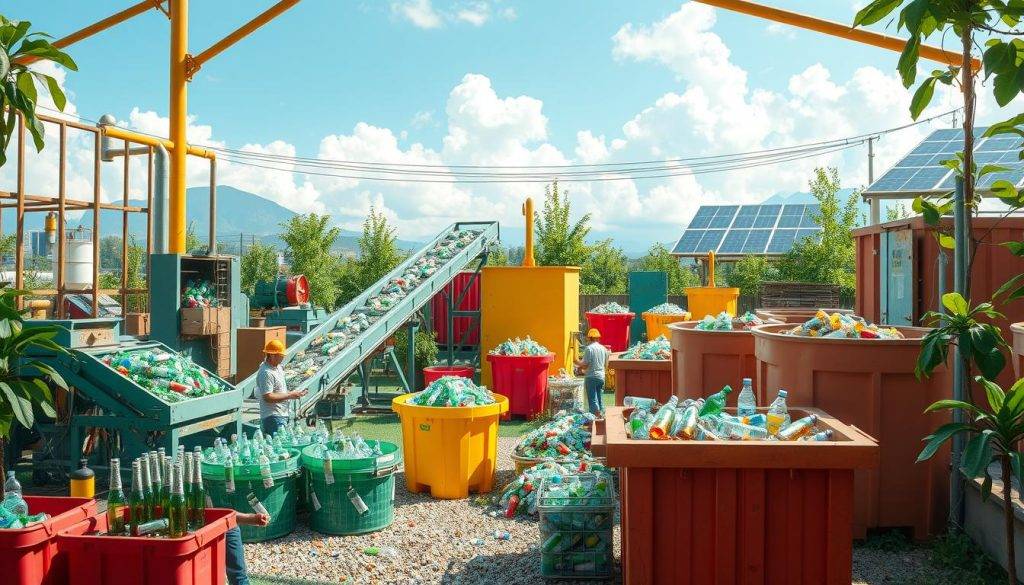
Nov
Have you ever thought about the big impact a small change in business operations can make? It can greatly affect the environment and our future.
With a crisis in plastic waste, especially PET bottle recycling, we need to think about our impact. Companies in South Africa can play a big role in tackling this. They can do so by joining in on effective plastic waste management. Committing to recycle helps our planet and meets the community and legal standards.
Recycling PET bottles is more than following rules or looking good. It also opens up new ways to make money and build trust with our customers. By putting recycling first, we all move closer to a future with less plastic waste. This helps our earth a lot.
Key Takeaways
- Plastic recycling rates globally are low, which highlights the urgency for increased action.
- Participating in recycling initiatives can significantly reduce our fossil fuel consumption.
- Integrating recycling programs can enhance our brand image and community trust.
- Recycling PET bottles contributes to more sustainable plastic waste management practices.
- Effective recycling strategies can save cost and resources for our businesses.
- Every ton of recycled plastic can lead to significant energy savings and reduced landfill space.
Understanding the Importance of PET Bottle Recycling
PET bottle recycling is key to protecting our environment and cutting down on plastic pollution. Many used bottles end up harming wildlife in our landfills and oceans. By recycling them, we help keep our planet clean and promote sustainability.
Environmental Impact of PET Bottles
PET bottles have a big impact on the environment. In South Africa, 46.3% of plastics are recycled, focusing on PET bottles. These bottles can be fully recycled, which is better than other plastics.
Recycling PET bottles requires less energy than glass or aluminum. For example, recycling a 500mL PET bottle only uses 0.595 MJ of energy. Also, recycling one ton of PET saves 7.4 cubic yards of landfill space. This shows how effective our recycling efforts are.
Economic Benefits of Recycling
Recycling brings economic benefits too. Companies save money and make extra by selling recyclables. With Coca-Cola and PepsiCo using more recycled materials, the demand for recycled PET grows. This creates jobs and promotes economic growth through recycling.
Social Responsibility and Community Impact
Recycling PET bottles helps companies and strengthens communities. It shows a commitment to being responsible and builds trust. Partnerships like ALPLA and Re-Purpose lead to better recycling methods. This encourages everyone to recycle more. For tips on PET bottle recycling, visit this guide.
Current Recycling Rates in South Africa
South Africa is making strides in boosting its recycling infrastructure. Statistics show our success, especially with PET bottle recycling. We’re outperforming many nations, showing real progress. Let’s look closer at these PET recycling stats and trends.
Overview of PET Recycling Statistics
Recent figures reveal a PET recycling rate of about 63% in South Africa. This rate is well above many European countries, where they’re about 15% behind us. Last year, we recycled over 74,328 tonnes of PET bottles. This shows our strong focus on recycling this particular plastic.
| Year | PET Recycling Rate (%) | Total Plastic Recycled (tonnes) |
|---|---|---|
| 2016 | 55 | N/A |
| 2018 | 63 | N/A |
| 2022 (Projected) | 70 | 519,400 |
We aim to hit a 70% recycling rate by 2022. Johannesburg’s mandatory recycling in 2018 was a major step forward. It spurred both citizens and businesses to act responsibly around waste.
Comparison with Global Trends
Our PET recycling efforts stand tall on the world stage, beating the global average of 52%. However, waste generation in South Africa might double by 2025. This makes improving our recycling systems and cooperation across the recycling community urgent.
Our movement towards using recycled PET in manufacturing is encouraging. With a R300-million investment in new facilities, we’re set to increase our recycling capabilities even further.
Key Players in PET Bottle Recycling
The PET bottle recycling world includes many key players working together for sustainability. Government actions are key, setting up rules that improve recycling. Private companies and NGOs also play a big part in this field.
Government Initiatives and Support
In South Africa, the government boosts PET bottle recycling with incentives and rules focusing on producer responsibility. These efforts make producers take charge of their product’s life. This not only ups recycling rates but also helps the economy, adding R1.2 billion to it from PET recycling growth.
Role of Private Sector and NGOs
The private sector and NGOs join forces to strengthen government efforts. Companies in recycling add significant value to the PET bottle market. Food and beverage companies are investing more in being sustainable, with 77% willing to spend more. NGOs run education campaigns, making sure people know how important recycling is.
| Key Player | Contribution |
|---|---|
| Government | Develops regulations and incentives for extended producer responsibility |
| Private Sector | Invests in recycling technology and processes |
| NGOs | Promotes recycling awareness and community engagement |
Innovative Recycling Programs to Consider
We need to think about new recycling programs for a greener future. These programs make recycling better and help everyone care more about our planet. We see great examples in bottle deposit schemes and recycling competitions, which get everyone involved.
Bottle Deposit Schemes
Bottle deposit programs encourage people to recycle PET bottles for money. In South Africa, Petco helped boost recycling by 57%. This approach helps us use things wisely and fights plastic waste.
Recycling Competitions and Incentives
Recycling contests make recycling fun for neighborhoods and companies. They help everyone work together for a cleaner world. When we reward big contributors, we make more people want to recycle. Working with groups like The Recycling Partnership helps us learn and recycle better. Together, we can change how we deal with trash and help the planet.
Best Practices for Businesses
We play a key role in fostering sustainability and pushing for better recycling methods. By adopting top recycling practices, we not only improve our operations but also help the planet. Two important approaches help increase our recycling efforts.
Implementing In-House Recycling Systems
Starting recycling programs in-house helps us work better and supports sustainability goals. By checking our waste closely, we figure out how to recycle more effectively. This lets us craft recycling plans that really fit what we need.
Important things to think about include:
- Identifying recyclable materials within our operations.
- Setting up recycling bins for paper, plastic, and metals.
- Training staff on correct recycling practices.
- Giving regular updates on our recycling achievements.
Partnering with Local Recyclers
Working with local recycling services makes our recycling work even better. These partnerships broaden what we can do, bring in new technology, and help us connect with the community. By working together, we can:
- Share resources for transportation and logistics.
- Join in local recycling efforts and events.
- Make sure our recycled goods are handled right.
- Look into the environmental benefits of working together.
Choosing these recycling best practices aligns with our green goals and encourages eco-friendly habits in our teams. The energy we put in now paves the way for a greener future, not just for South Africa but for the whole world.
Engaging Employees in Recycling Initiatives
Getting all employees to take part is key to a thriving recycling initiative. Through training and awareness, we create a supportive environment. This helps everyone see how vital recycling PET bottles is and how their efforts matter.
Training and Awareness Programs
Comprehensive training sessions are vital. They cover recycling and how to sustain it. This knowledge lets employees help more.
Meetings and workshops show recycling’s benefits. They match our company values and keep staff involved. Understanding this leads to more enthusiasm, smaller carbon footprints, and better choices in sustainability.
Creating a Recycling Culture
To start a strong recycling culture, we need a few key steps. A green team with varied members should lead. Plus, team-building for sustainability keeps everyone engaged.
Hosting “Waste-Free Wednesdays” and joining community clean-ups are great ideas. These strengthen our community spirit and teamwork. They also fit our sustainability goals.
Regular updates on our recycling goals encourage long-term dedication. Celebrating our wins boosts motivation for new goals. Including employees from the start makes them see their vital role in our sustainable future.
| Initiative | Benefits | Employee Engagement Methods |
|---|---|---|
| Training Programs | Informed workforce, increased recycling participation | Workshops, informational seminars |
| Green Team Formation | Shared leadership, diverse ideas | Regular meetings, brainstorming sessions |
| Competitive Challenges | Boosted morale, heightened awareness | Contests, leaderboards |
| Community Events | Strengthened community ties, shared purpose | Organized clean-ups, awareness campaigns |
Promoting Our Recycling Efforts to Customers
We’re deeply committed to sustainability. We know it’s crucial to share our recycling efforts with our customers. This does more than just boost our reputation. It also encourages our customers to get involved.
With a solid plan for marketing and communication, we can reach eco-friendly shoppers. Our mission is to show them how serious we are about recycling.
Marketing and Communication Strategies
Keeping our customers in the loop about our recycling is key. We use social media, newsletters, and displays to spread the word. Here are the main ways we do it:
- Highlighting our achievements: We share our success, like hitting 98% of our collection goals. This shows we’re making a real difference.
- Storytelling: We tell stories about how our recycling helps communities and jobs. It helps customers feel a personal connection.
- Collaborative campaigns: Working with other businesses increases our message’s reach. Together, we can make a bigger impact.
Informative Labeling and Signage
Labels and signs in our stores teach customers how to recycle right. We focus on making them clear and helpful. Here’s what we consider:
- Descriptive labels: We explain the recycling process and what materials to use. This encourages proper recycling habits.
- Visual aids: Graphics that show the recycling journey attract attention and spark curiosity.
- Promoting participation: Campaigns that invite customers to recycle build a community of responsible recyclers.
These strategies help us boost recycling and engage our customers. It leads to a strong, eco-aware community. Together, we’re fighting plastic pollution and making the planet healthier for the next generation.
| Achievement | Impact |
|---|---|
| 98% of legislated collection targets achieved | Enhanced recycling capabilities |
| 60% recycling rate for PET beverage bottles | Reduction of reliance on virgin materials |
| 80% of liquid board packaging target attained | Contribution to sustainable packaging solutions |
| 64,100 cubic meters of landfill saved | Less environmental strain |
| Support for 910 employment opportunities | Boosting local economies |
Success Stories from Local Businesses
South Africa’s local businesses show us how to make big changes with focused efforts. They offer inspiring stories of creativity, community, and growth. These stories teach us what’s possible when we work together.
Case Studies of Effective Initiatives
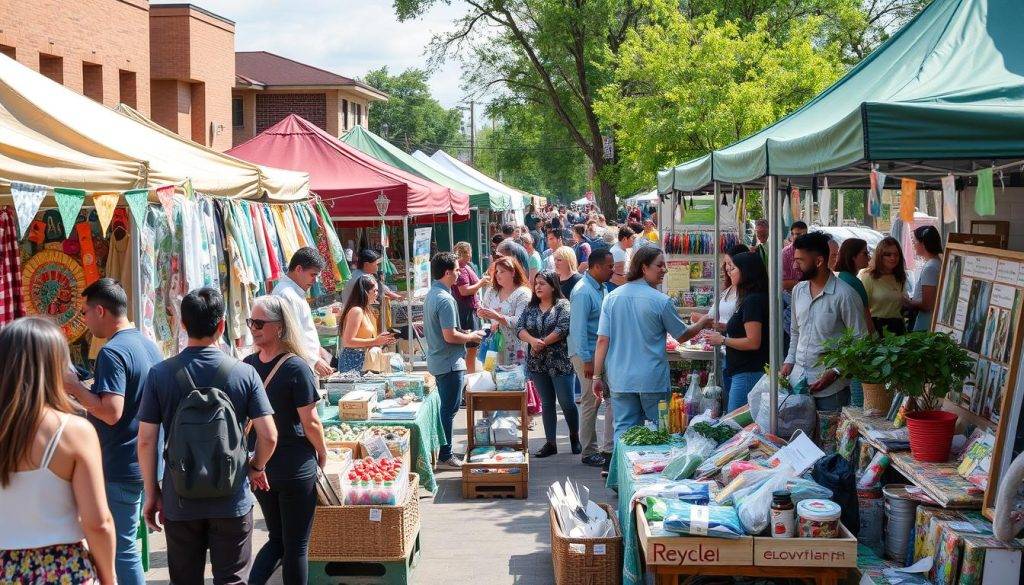
The Alexandra Water Warriors started small but grew big. They now have 1,500 volunteers cleaning the Jukskei River in Johannesburg. This not only makes the place look better but also brings people together. This proves that a united community is a happy community, as studies have shown.
In Mitchell’s Plain, the Recycling Champions Project has made big strides. It won a big award from UNICEF and got R200,000. With new funds, they plan to get more vehicles. This will help transport recyclables better, showing the power of community work.
Lessons Learned and Future Goals
Recycling programs can help make money, especially where jobs are scarce. In some places, this money goes to charity. In others, it directly supports families in need.
Being part of recycling networks like eWASA helps businesses get training and support. An example is Twin Cities, which started with help from Mpact Recycling in 2007. Now, it employs 55 people and is growing in the recycling industry.
These success stories teach us to collaborate more, improve training, and grow our networks. By working together, we can make a big difference.
| Initiative | Key Achievements | Future Plans |
|---|---|---|
| Alexandra Water Warriors | 1500 volunteers for river clean-up | Expand volunteer reach |
| Recycling Champions Project (ReChas) | Winner of UNICEF’s challenge, R200,000 prize | Acquire vehicle for recyclables |
| Twin Cities | 55 employees, support from Mpact Recycling | Expand operations and job opportunities |
Moving Towards a Sustainable Future
The circular economy offers a way to deal with plastic waste smartly. It makes us see materials differently, urging reuse and recycling. This approach helps cut down our environmental harm by keeping PET bottles in use. It’s vital for everyone to follow this sustainable path for a better tomorrow.
The Role of Circular Economy in PET Recycling
Adopting a circular economy helps tackle plastic pollution. Every day, many PET bottles get made, but too many end up in landfills and oceans. To fix this, we need better recycling plants and methods. Working with governments, businesses, and NGOs can boost recycling efforts. It leads to a future where we use our resources wisely and less harmfully.
Collaborating for Greater Impact
Together, we can make big strides towards sustainability. Cooperation helps us use our strengths better and find solutions in recycling. Combining efforts across sectors brings forth innovative practices. It leads to better use of materials and energy. Examples of successful recycling show we can meet eco-goals together. Let’s join forces to create a brighter, more sustainable future.
FAQs
Why is PET bottle recycling important for our business?
Recycling PET bottles cuts down on plastic waste, helping the environment. It boosts our brand’s reputation. Plus, it meets the demands of customers who care about the planet.
How can our company increase its PET recycling rates?
To recycle more PET, we can start recycling programs at work. Working with local recycling centers helps, too. Training for employees will also boost our recycling efforts.
What are some innovative recycling initiatives we can adopt?
We can start a bottle return program with rewards for customers. Also, hosting recycling contests can get our community and workers more involved.
How does engaging in recycling initiatives enhance our corporate responsibility?
By recycling actively, we show we care about the environment. This builds trust in our community. It also makes our company look good and strengthens our ties with business partners.
What role does the government play in PET recycling in South Africa?
In South Africa, the government backs recycling with special programs. These provide incentives and set rules that encourage businesses to recycle more.
How can we measure the impact of our recycling efforts?
We can track our recycling progress with detailed waste audits. By watching our recycling rates and checking cost savings, we can see how we’re doing.
What are the economic benefits of recycling PET bottles?
Recycling can save us about $100 per employee each year. Selling recycled materials can also bring in extra money, adding to our profits.
How can we promote our recycling initiatives to customers?
Creating clear marketing plans can help us talk about our recycling. Using labels and signs will show customers how to join in our efforts.
What lessons can we learn from local businesses that have successfully implemented recycling initiatives?
Looking at local businesses can offer us new ideas. Their success stories can guide us in reaching our own sustainability and recycling goals.
How does the circular economy contribute to PET recycling?
The circular economy helps by reusing materials over and over. By working with governments, NGOs, and businesses, we can make our recycling better and help the environment.
