
Blog
How to Melt PET Bottles: Simple Guide
Aug
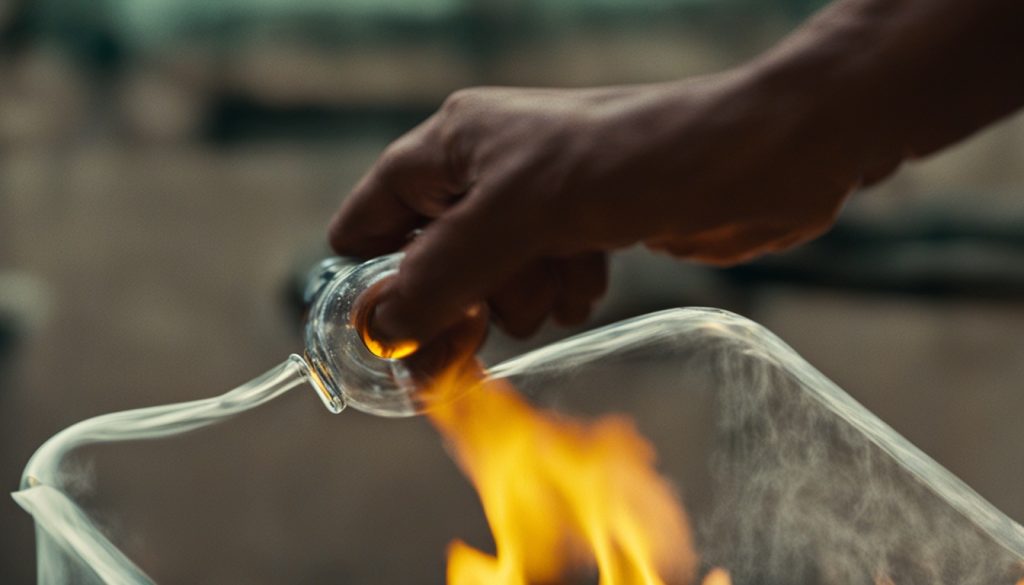
Ever thought about reducing plastic waste? Specially, by turning old PET bottles into something useful? Learning to melt PET bottles is an eye-opener to DIY projects and tackles the urgent need for proper disposal. This process not only aids in environmental conservation but also repurposes plastic. Thus, it keeps plastic from adding to our waste problem.
Table of Contents
Key Takeaways
- Understanding the properties of PET is essential for successful melting.
- Proper preparation and safety measures are crucial in the melting process.
- Creative projects can be made from melted PET, promoting recycling.
- Household items can be repurposed from melted PET bottles.
- Learning to melt PET bottles helps in combatting plastic waste.
Understanding PET Bottles and Their Recycling Process
To really value recycling PET bottles, we must first delve into what PET is. It’s a type of plastic named Polyethylene Terephthalate. This material is favoured for drink bottles and food packaging because it’s light and tough.
What is PET?
PET is created by chemically combining ethylene glycol with terephthalic acid. It’s a dependable material that has many benefits:
- High resistance to impact
- Excellent barrier against gases and moisture
- Recyclability, which plays a crucial role in reducing environmental impact
Understanding PET shows us its role in everyday items and the importance of recycling. PET can linger for ages in landfills, so recycling it is key to tackle environmental issues.
The Importance of Recycling PET Bottles
Recycling PET bottles helps cut down on waste pollution and saves resources. Every recycled bottle lessens energy use and our carbon footprint. By choosing to recycle, we’re championing sustainable living.
Moreover, recycling PET fosters a circular economy by turning old items into new ones. Supporting recycling efforts helps protect the environment and save resources for future generations.
How to Melt PET Bottles: Step-by-Step Guide
Melting PET bottles right needs choosing good materials and preparing well. If you do this, you’ll have a smooth melt and be happy with what you make. Here’s what materials you need and how to get ready to melt PET bottles yourself.
Materials Needed for Melting
It’s key to pick the right stuff for melting PET bottles to get what you want. Here are the must-haves:
- Heat-resistant container (glass or metal)
- Oven or heat gun
- Protective gloves
- Safety goggles
- Mask (to avoid inhalation of fumes)
- Scissors or utility knife
- Metal spatula (for stirring)
Preparation Steps Before Melting PET
Getting bottles ready right is vital for a good melt. Here are the main things to do:
- Clean the bottles well: Wash and dry them to get rid of leftovers or dirt.
- Remove labels: Take off any stickers and glue so they don’t burn while melting.
- Cut into smaller pieces: Chop the bottles into small bits with scissors or a knife. This helps them melt evenly and stops air gaps.
- Organise materials: Make sure you have everything you need for melting PET ready and handy.
By sticking to these steps and using the right materials for PET melting, we’re set for a good melting job. Getting your workspace clean and ready makes working with PET bottles much easier.
Ideal Melting Conditions for PET Bottles
To get the best results from melting PET bottles, it’s vital to know the perfect conditions. This knowledge prevents any errors in the process.
Melting Temperature of PET Bottles
The right temperature for melting PET bottles is about 260°C (500°F). Keeping this heat is key. It turns the PET into a form we can work with but doesn’t burn it. Going over this temperature can cause bad smells and spoil the material’s quality.
Tools Required for Melting PET Bottles
To melt PET properly, we need the correct tools. These tools make our job easier:
- Heat guns for targeted melting
- Ovens for even heating
- Moulds for shaping melted PET
- Safety gloves for hand protection
- Tongs to handle the heat
Choosing the right tools is crucial. They help us achieve the best melting conditions. This leads to better recycling or craft projects using melted PET.
DIY Methods for Melting PET Bottles at Home
Melting PET bottles at home is a great way to be creative and eco-friendly. There are different ways to do this, for all skill levels and equipment. We will look into using an oven to melt PET bottles and some other safe methods.
Using an Oven for Melting PET
Melting PET in an oven is a common method because it heats evenly. First, make sure the area is well-ventilated. Here’s what you need to do:
- Heat the oven to about 250°C (482°F).
- Put shredded PET bottles in a container with parchment paper.
- Watch and stir sometimes, so it melts evenly.
- After melting, let it cool before you touch it.
Safety is key. You must control the temperature to avoid burns or harmful fumes. Melting PET in the oven can give us clean plastic for our projects.
Alternative Techniques for Melting PET Bottles
There are also other ways to melt PET bottles if you don’t want to use an oven. These methods offer good control over the melting:
- Heat Gun: With a heat gun, you can melt precisely. Keep it a safe distance and move it around for an even melt.
- Double Boiler: Put PET in a container over boiling water. The steam gently melts the plastic without overheating.
- Stovetop Pan: A non-stick pan over low heat can also melt PET but do it slowly to avoid burning.
These options have their own benefits. They make melting PET bottles possible, no matter what tools you have. Choose the method that suits your needs and projects best.
| Method | Difficulty Level | Equipment Needed | Safety Considerations |
|---|---|---|---|
| Oven | Moderate | Oven, Container, Parchment Paper | Ventilation, Temperature Control |
| Heat Gun | Easy | Heat Gun | Distance Control, Protective Gear |
| Double Boiler | Easy | Heat-safe Container, Pot | Steam Hazard, Temperature Control |
| Stovetop Pan | Moderate | Non-stick Pan | Low Heat, Supervision Required |
Creative Projects With Melted PET Bottles
Exploring creative projects with melted PET bottles unlocks our imagination. These efforts help lessen waste and let us make both useful and artistic things. Innovative ways to recycle PET by crafting DIY items and art projects are introduced here.
Making Reusable Items from Melted PET
Crafting DIY items from melted PET can add sustainability to our daily life. Here are simple ideas to get started:
- Containers: Ideal for keeping office or kitchen stuff.
- Bowls: Useful for snacks or to organise bits and bobs.
- Planters: Make quirky pots for plants, inside or outside.
- Coasters: Add a stylish touch to your coffee table.
Art and Craft Ideas Using Melted PET
We can also express ourselves through art with melted PET. These projects boost creativity and let us display our artistic talent:
- Sculptures: Turn melted PET into amazing art for your home.
- Light fixtures: Make lampshades that give off a unique light.
- Jewellery: Create standout pieces to wear.
- Decorative wall art: Make lively art that livens up a room.
Doing creative projects with melted PET does more than just reduce waste. It enriches our life with crafting and art. By thinking creatively, we find endless possibilities and turn simple materials into incredible things.
Conclusion
We’ve looked into why learning to melt PET bottles is key in recycling them. We discussed what PET is and its effect on our environment. We also covered the best ways to melt it, including DIY methods you can try in South Africa.
Melting PET is great because it changes old plastic into something new. It also helps us all join in on keeping our planet clean. This way, we work together to cut down on plastic pollution.
It’s important for us to keep pushing for more PET recycling. By supporting creative recycling projects, we can come up with new ideas. These ideas can help our community and the earth.
We invite everyone to start recycling PET bottles now. Learning how to melt them not only reduces trash but also opens doors for creativity. Let’s all help in making our world cleaner and greener.
FAQs
What is the melting temperature of PET bottles?
PET bottles melt at around 260°C (500°F). This heat level is vital to avoid burning the plastic.
What materials do I need to melt PET bottles?
You’ll need heat-proof containers, safety gear like gloves and goggles, plus heat guns or ovens. Make sure the bottles are clean and residue-free.
How do I prepare PET bottles before melting them?
Start by cleaning the bottles well to get rid of any dirt. Then, cut them into small pieces for uniform melting. Ensure there are no air pockets.
Can I melt PET bottles at home?
Melting PET bottles at home is possible. You can use an oven, heat gun, or double boiler. Remember to follow safety rules and ensure good ventilation.
What are some creative projects I can make with melted PET?
With melted PET, there are many creative things to make. Turn them into new items like containers and bowls. Or create art like sculptures and decorations. Melted PET opens doors to creative fun.
Why is recycling PET bottles important?
Recycling PET helps cut down plastic trash, fights pollution, and reduces our carbon emissions. It’s key for keeping our planet healthy and conserving our resources.
What are some alternative methods for melting PET?
Besides an oven, you can use heat guns or a double boiler. These give you different ways to control the heat. It’s about finding what works best for you.
How does melting PET bottles contribute to sustainability?
Turning PET bottles into new, useful or artistic items helps reduce landfill waste. It’s a big step towards greener living and supports environmental health.
