
Blog
How PET Bottles Compare to Aluminium and Glass
Mar
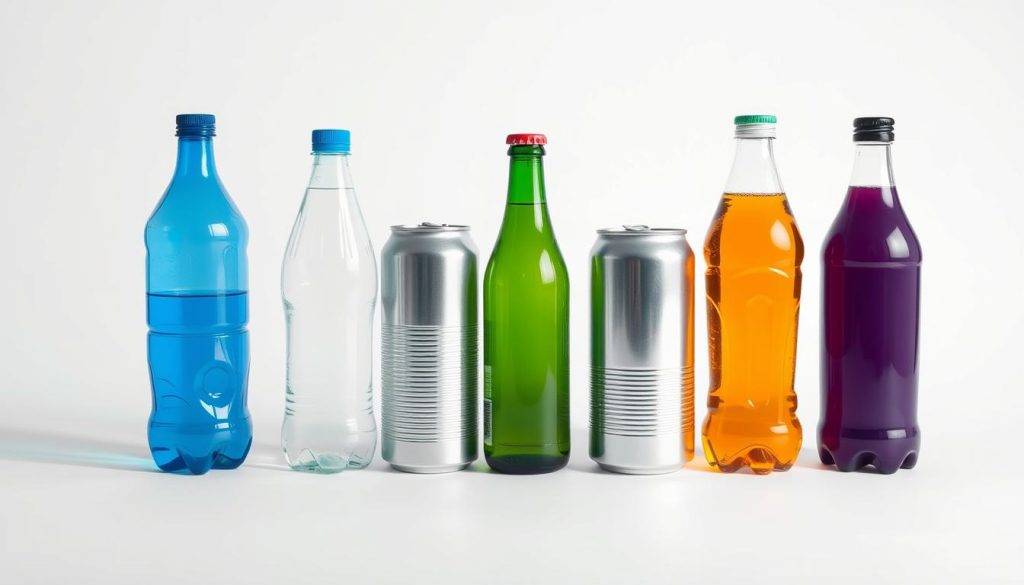
We will look at the good and bad sides of each material. This includes their effect on the environment, how much they cost to make, and what people like. For more info, check out our website at www.petactive.co.za or call us at +27 71 773 0527.
PET plastic is seen as the best for cutting down global warming. It needs less energy to make than glass and aluminium. This makes PET a greener choice in the debate.
PET bottles make less pollution and waste than glass and aluminium. They also use less water and make fewer harmful pollutants. This makes PET a top pick in packaging.
Key Takeaways
- PET plastic is recognized as the best packaging solution for reducing global warming.
- PET production requires less energy than that of glass and aluminium containers.
- PET bottles produce significantly fewer greenhouse gas emissions compared to glass and aluminium.
- PET bottles are 100% recyclable and can be made entirely from recycled content.
- PET beverage container systems hold the largest share of the U.S. market for carbonated soft drinks and bottled domestic water.
- PET vs aluminum and glass comparisons show PET being superior in most environmental impact categories.
Introduction to Packaging Materials
The debate on packaging materials often focuses on PET vs glass. Each has its own benefits and drawbacks. It’s key to know the strengths, durability, and environmental effects of each.
PET, or polyethylene terephthalate, is light and shatter-resistant, making it great for bottles. Glass, on the other hand, is non-porous and perfect for bottles and jars. But, glass is much heavier and more expensive than PET.
Looking at the environmental impact is also vital. The WWF says 8 million tonnes of plastic pollute oceans yearly. This shows the need for eco-friendly packaging. Choosing between PET and glass depends on the product, audience, and environmental factors.
Some important stats to think about include:
- 43% of all soft drink containers are made of PET
- 34% of all soft drink containers are made of aluminum
- PET accounts for 14% of all plastic containers
Knowing the traits of each material helps us make better choices. We can balance product needs with environmental protection. Moving forward, sustainable packaging is key to reducing waste and promoting green practices.
Environmental Impact of PET Bottles
We will look at how PET bottles affect the environment. This includes their life cycle, recycling, and carbon footprint. Studies show PET plastic is better for the planet than other packaging.
PET bottles need much less energy to make than aluminum cans. They also use less water and create less waste. This makes them better for the environment.
PET bottles can be recycled 100% and made from 100% recycled content. This closed-loop recycling saves resources. Compared to glass bottles, PET bottles are better for the planet.
Life Cycle Analysis of PET
PET bottles have a lower environmental impact than other materials. Their light weight means less energy for transport. This leads to fewer greenhouse gas emissions.
Recycling and Reusability
Recycling and reusing PET bottles are key to reducing their environmental impact. Only about 9% of plastics are recycled worldwide. If all plastics were recycled, it could save a lot of CO₂.
Carbon Footprint Comparisons
PET bottles have a lower carbon footprint than aluminum cans. Making new aluminum cans uses a lot of energy. In contrast, PET bottles require less energy for production and transport.
Aluminium Packaging Insights
Aluminium packaging is a big deal in the packaging world. It makes up about 11% of the market. In drinks, it’s even more popular, making up 30-40% of packaging.
One great thing about aluminium packaging is how well it can be recycled. Around 75% of it is recycled worldwide. This helps save resources and cuts down on waste.
But, making aluminium does release a lot of carbon. The aluminium industry wants to cut its carbon by half by 2030. They aim to be carbon-neutral by 2050.
Companies like HEINEKEN are using more aluminium packaging. They’re also working on recycling more. The aluminium market is expected to grow a lot by 2050. So, making packaging more sustainable is key.
| Material | Recycling Rate | Carbon Emissions Reduction |
|---|---|---|
| Aluminium | 75% | Up to 95% |
| PET | 30% | Up to 50% |
| Glass | 80% | Up to 70% |
In summary, aluminium packaging has its good and bad sides. It’s good for recycling and can be sustainable. But, it also has a big environmental impact. As demand grows, companies must focus on being green.
Glass vs. PET and Aluminium
We look at glass packaging compared to PET and aluminum, focusing on its green side. Glass is a non-porous, impermeable material. But, making a glass bottle uses a lot of energy.
When it comes to sustainable aspects, glass has both good and bad sides. It’s fully recyclable and can be reused many times. Yet, making glass needs a lot of energy, which can harm the environment.
Here are some key points to consider when evaluating the sustainability of glass packaging:
- Glass is 100% recyclable and can be recycled endlessly without losing its quality.
- The production of glass requires significant amounts of energy, which can contribute to greenhouse gas emissions.
- Glass packaging has a higher recycling rate than PET bottles, but lower than aluminum cans.
In conclusion, glass packaging has its green benefits. But, we must look at the whole life cycle of the product. This includes making, using, and throwing it away to see its true environmental effect.
Cost Analysis: PET, Aluminium, and Glass
Looking at packaging materials, the cost of PET, aluminum, and glass is key. We’ll dive into production costs, how they affect prices, and what people like best. This will help us see which one is the most cost-effective.
PET bottles are cheaper to make than aluminum or glass ones. For example, making an aluminum can costs 25-30% more than a PET bottle of the same size. Also, PET bottles are lighter, saving up to 30% on shipping costs compared to glass.
People are starting to prefer recycled materials more and more. Companies like Danone and Pepsi are using recycled materials in their packaging. Danone wants to use 50% recycled material in its water bottles by 2025. The choice between PET, aluminum, and glass will depend on what manufacturers and consumers value most, like the environment, costs, and what they want.
Some important facts to remember in our cost analysis are:
- PET makes up about 70% of all drinks containers.
- R-PET (recycled PET) is the top choice, followed by virgin plastic, recycled glass, and virgin glass.
- Aluminum cans are made from 60-70% recycled content. Making cans from recycled aluminum uses 95% less energy than making new aluminum.
Health Considerations of Each Material
Health is a big deal when it comes to packaging. We must think about the risks of PET vs glass. PET bottles can leak chemicals into food or drinks.
Glass is safer and doesn’t harm us. But making glass bottles hurts the environment a lot. It uses a lot of energy and makes greenhouse gases. Aluminum packaging is also common, but it can be harmful if not coated right.
Here are some key health considerations for each material:
- PET: chemical leaching, possible carcinogens
- Glass: non-toxic, but making it harms the environment
- Aluminum: can be risky if not coated or lined correctly
The right packaging material depends on many things. We need to think about health considerations and how it affects the planet. By weighing the good and bad of each, we can choose wisely. This way, we protect both people and the planet.

PET’s Role in the Beverage Industry
The beverage industry is changing fast, with PET bottles at the forefront. They are light, strong, and cheap. This makes them a big hit in the market, covering 67% of the demand for drinks like water and soda.
PET bottles are loved for many reasons. They are better for the planet than glass or aluminum, producing 74% less greenhouse gases. They also use 53% less water than glass, saving a lot of water. Here are some main reasons why PET bottles are great for drinks:
- Low greenhouse gas emissions
- Low water consumption
- Cost-effective
- Lightweight and durable
As the drink market grows, so will the improvements in PET technology. With more focus on being green, PET bottles will keep being a top pick for drink makers.
| Packaging Type | Market Share |
|---|---|
| PET bottles | 67% |
| Aluminium cans | 39% |
| Glass bottles | 11% |
Aluminium: The New Favourite?
There’s a big move towards aluminum packaging because it’s good for the planet. It can be recycled over and over again without losing quality. This makes it a top choice for people who care about the environment.
More companies are choosing aluminum for their products. For example, metallised PET is a cheaper option than traditional aluminum. Also, high-barrier laminates, which include aluminum and metallised films, are growing fast in the food packaging market.
Aluminum packaging is great because it’s recyclable, strong, and can be reused. It’s also light, which makes it easy to move and store. Here are some examples of aluminum packaging and what they’re used for:
- PET ALU PP: often found in Doypack pouches for pickled products, it’s good for heat sterilisation
- OPP ALU PE: perfect for coffee packaging because of its strength and flexibility
- PET ALU PE: great for sachets of olive oil and sauces, it keeps out oxygen, aroma, light, and moisture
As people learn more about the impact of their choices, they’ll want more sustainable packaging. This means more demand for aluminum, which will help it grow in the market.
| Material | Recyclability | Energy Efficiency |
|---|---|---|
| Aluminum | 100% | 96% more energy and carbon efficient compared to virgin aluminum |
| Glass | 33% (US recycling rate) | 30% less energy than virgin glass |
| Plastic | 9% (US recycling rate) | 65% less energy than virgin plastic |
Glass Bottles and Their Popularity
Glass bottles have become more popular in recent years, mainly in the beverage industry. This is because glass is non-porous and doesn’t let things pass through. It’s perfect for keeping drinks fresh and is good for the environment too.
But, glass packaging has its own set of problems. Making a glass bottle takes a lot of energy. It takes 1.09 kilowatt-hours of energy to produce one. Yet, more and more people want glass bottles because they’re seen as eco-friendly.
Some of the main advantages of using glass bottles include:
- They keep the taste and quality of drinks just right
- They’re good for the planet, with 33% of glass being recycled in the US
- Using recycled glass saves 30% of the energy needed for new glass
The use of glass is expected to keep growing. This is because more people are looking for products that are better for the planet. It will be interesting to see how the industry meets these demands and overcomes the challenges of glass packaging.
Comparing Recycling Programs
We know how key recycling programs are for less waste and more sustainability. Different materials have different recycling rates. For example, aluminum cans are recycled at a 90% rate. Glass and PET are recycled at 67% and 66% respectively.
Looking at PET recycling, we see big losses in the recycling process. These losses are three times more for PET and glass than for aluminum cans. This shows we need better recycling programs for these materials.
- More than 70% of aluminum cans are recycled into new items.
- Aluminum cans are recycled 18% more than PET bottles and 28% more than glass bottles.
These numbers show how good aluminum can recycling is. We need to improve PET and glass recycling.
By understanding the strengths and weaknesses of different recycling programs, we can work towards creating more efficient and sustainable systems for reducing waste and promoting environmental sustainability.
Future Trends in Packaging
The packaging industry is changing fast, thanks to the need for sustainable materials and less environmental harm. Looking ahead, future trends will focus on eco-friendly packaging solutions.
Biodegradable materials like bioplastics and recyclable materials like aluminium and glass are becoming key. The global market for recycled plastic is set to grow from $53.69 billion in 2024 to $127.25 billion by 2034. This shows a 9.01% CAGR.
As people care more about the planet, companies are making greener packaging. For instance, Coca-Cola’s PlantBottle has 30% sugarcane-based ethanol. Bacardi has also introduced a compostable bottle made from PHA biopolymer.
The debate between PET and aluminium packaging will focus on recyclability and sustainability. Aluminium is 100% recyclable, with a 73% recycling rate in Europe in 2015. As consumers learn about the environmental effects of their choices, we’ll see more eco-friendly packaging.
Conclusion: Making Informed Choices
Exploring PET bottles, aluminum, and glass packaging shows each has its pros and cons. Making sustainable choices means looking at environmental impact, recycling, and product quality.
PET bottles are cheap and easy to use but harm the environment. Aluminum cans are better for recycling and have less carbon footprint. Glass bottles are tough and recyclable, keeping drinks fresh.
Choosing the right packaging depends on understanding its effects on the environment and health. Supporting recycling and new packaging ideas helps reduce waste. Together, we can lessen our impact on Earth.
FAQ
What is the difference between PET, aluminum, and glass packaging?
PET (polyethylene terephthalate) is a common plastic for bottles and containers. Aluminum is light and doesn’t rust, used for cans and foil. Glass is solid and doesn’t let things pass through, used for bottles and jars.
What is the environmental impact of PET bottles?
PET plastic is better for the environment than other materials, says the NAPCOR study. We’ll look at how PET bottles affect the environment, their recyclability, and how they compare to other materials.
What are the benefits and drawbacks of aluminum packaging?
Aluminum is light and doesn’t rust, but making it harms the environment. We’ll talk about its good points, how well it’s recycled, and its environmental downsides.
How does glass packaging compare to PET and aluminum?
Glass is solid and doesn’t let things pass through, but making it affects the environment. We’ll discuss glass’s benefits, how long it lasts, and how much energy it takes to make.
How do the costs of PET, aluminum, and glass packaging compare?
The cost of making, moving, and storing packaging affects how much products cost. We’ll look at the costs of each material, how they impact prices, and what consumers prefer.
What are the health considerations of each packaging material?
Packaging safety is key, as it touches food and drinks. We’ll examine chemical leaching in PET, aluminum’s safety, and glass’s safety for food.
What is the role of PET in the beverage industry?
PET bottles are big in the beverage world because they’re light, strong, and cheap. We’ll explore their uses, new PET tech, and what consumers like.
Is aluminum packaging becoming more popular?
Yes, aluminum packaging is gaining fans for being green and recyclable. We’ll talk about the rise of aluminum cans, market growth, and what people want.
How popular are glass bottles in the beverage industry?
Glass bottles are popular for being solid and safe for drinks. We’ll look at why glass is appealing, its challenges, and market trends.
What are the recycling programs for PET, aluminum, and glass?
Recycling is key for green packaging, and each material has its own needs. We’ll cover PET recycling, aluminum recycling efforts, and glass recycling’s challenges and solutions.
What are the future trends in packaging?
The packaging world is always changing, with new, eco-friendly materials and tech. We’ll discuss new sustainable materials, the future of PET vs aluminum, and glass’s role.
