
Blog
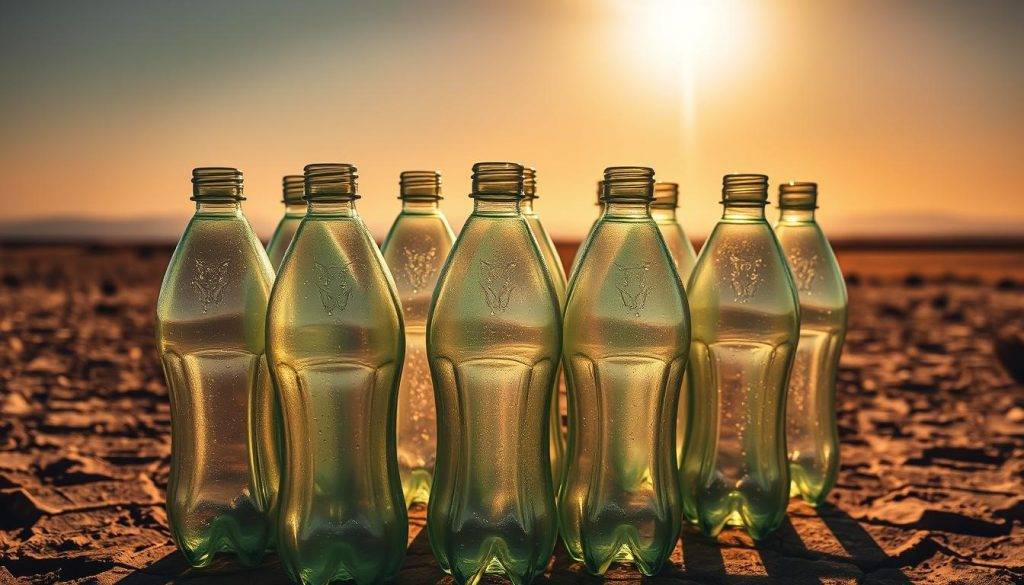
How PET Bottles Compare in Different Climates
May
We will explore how PET bottles handle hot weather and their durability in different climates. Learn more about PET bottles on our website. Discover tips to keep your PET products in top shape.
Our experts share valuable information about PET bottles. They talk about their properties, advantages, and disadvantages. This article is for manufacturers, suppliers, and consumers. It gives insights into PET bottles and their performance in various climates, including hot weather and climate durability.
Key Takeaways
- PET bottles are widely used in beverage packaging due to their strength and transparency.
- PET climate durability is a critical issue, with degradation occurring in different environments.
- Our experts at www.petactive.co.za are available to assist with questions or concerns about PET bottles.
- PET bottles can maintain physical and mechanical properties up to a service temperature of 120°C.
- PET is generally more expensive than PP due to superior properties such as higher strength and clarity.
- Call us at +27 71 773 0527 for more information on PET bottles and their performance in hot weather.
- PET bottles are resistant to weak acids and organic solvents but not hot water soaking or alkalis.
Understanding PET and Its Properties
PET bottles are everywhere in our daily lives. But have you ever thought about why they’re so popular? It’s because of PET’s special properties. PET is a strong, light, and safe material made from ethylene glycol and terephthalic acid.
PET bottles are great at keeping drinks cold, even when it’s hot outside. This is because PET doesn’t conduct heat well. It also doesn’t react with chemicals and is clear, making it perfect for packaging.
What is PET?
PET is a common plastic used for drinks. It’s strong, lasts long, and doesn’t break down easily. It also doesn’t react with chemicals or extreme temperatures.
Benefits of Using PET Bottles
PET bottles have many benefits. Some of the main advantages are:
- Lightweight and shatter-resistant
- Chemical resistance and clarity
- Low thermal conductivity, keeping beverages at the right temperature
- Recyclable and reusable
Common Uses of PET in Beverage Packaging
PET is great for packaging drinks because it’s tough. It can handle being moved around and stored. Here are some common uses of PET in packaging:
- Bottles for water, soda, and other beverages
- Containers for food and other products
- Insulation in jackets and sleeping bags
The Impact of Hot Weather on PET Bottles
We use PET bottles every day. But have you thought about how hot weather affects them? High temperatures can make PET bottles degrade, reducing their strength and quality. A study shows that temperatures over 60°C (140°F) can release harmful chemicals from PET plastic.
PET bottles can become brittle and break when it’s hot. You might see them lose strength, change color, or get cracks. For example, plastic can degrade 50% faster in heat and sunlight than in cooler places. To learn more, visit the National Geographic website about PET in hot weather.
When dealing with PET bottles in the heat, consider these points:
- Temperature: High temperatures can cause PET degradation, leading to a decrease in the bottle’s physical and mechanical properties.
- Exposure to sunlight: Direct sunlight can cause temperatures to rise, leading to an increased risk of PET degradation.
- Storage conditions: Improper storage conditions, such as leaving bottles in a hot car or outdoors, can increase the risk of PET degradation.
In summary, it’s important to know the risks of PET bottles in hot weather. By recognizing the signs of degradation and avoiding high temperatures, we can protect our environment.
Storage Recommendations for PET Bottles
Storing PET bottles right is key. Keep them in a cool, dry spot, away from sunlight and extreme temps. The best temperature is between 15°C and 25°C, with humidity at 50-60%. This keeps the PET material strong and prevents shrinkage.
The FDA says to avoid sunlight to prevent damage. Store them in a shaded area or use UV-resistant packaging. This stops bacteria and keeps the contents fresh.
Ideal Storage Temperatures
Here are the best storage temps for PET bottles:
- Below 35°C to keep the product good
- Between 15°C and 25°C for the best storage
- Avoid temps over 50°C, as shrinkage happens fast
Protecting Bottles from Direct Sunlight
To shield PET bottles from sunlight, do this:
- Store them in a shaded area
- Use UV-resistant packaging
- Don’t place them under metal roofs with little air
By following these tips, you ensure your PET bottles stay safe and quality. This also helps with PET protection and PET storage.
| Temperature Range | Shrinkage Time |
|---|---|
| Above 50°C | Less than 1 hour |
| 42°C – 50°C | Less than 12 hours |
| 35°C – 42°C | Within 5 days |
| 30°C – 35°C | Up to 20 days |
Safety Considerations in High Temperatures
When it comes to PET bottles, safety is a top priority, even more so in high temperatures. Heated PET can release chemicals that are harmful to humans. To keep PET safety in check, it’s vital to follow safe use guidelines.
Important steps include avoiding high temperatures and not reusing PET bottles. Also, proper disposal of PET bottles is key to prevent environmental damage and PET health risks.
Here are some guidelines for safe use of PET bottles:
- Avoid leaving PET bottles in hot cars or direct sunlight
- Do not reuse PET bottles
- Dispose of PET bottles properly
By sticking to these guidelines, we can lower PET health risks and ensure PET safety in hot weather.
| PET Bottle Safety Tips | Description |
|---|---|
| Avoid Heat | Keep PET bottles away from high temperatures |
| Proper Disposal | Dispose of PET bottles properly to prevent environmental harm |
Comparing PET in Hot vs. Cold Climates
Climate affects how well PET bottles perform. In hot climates, PET bottles can get brittle and crack easily. In cold climates, they also become brittle and break more often.
In hot climates, PET bottles degrade quickly. This lowers their quality and safety. In cold climates, they become brittle and are more likely to crack.
Here are some key points to remember about PET bottles in different climates:
- PET bottles in hot climates: more prone to degradation and cracking
- PET bottles in cold climates: more prone to brittleness and breakage
It’s important to think about these points when using PET bottles in different climates. Knowing how PET performs in hot and cold climates helps us use these bottles safely and effectively.
Recycling PET bottles also depends on the climate. In hot climates, they need to be sorted and processed separately to avoid damage. In cold climates, they must be handled carefully to prevent breakage. By considering these factors, we can recycle PET bottles responsibly in all climates.
| Climate | PET Bottle Performance | Recycling Considerations |
|---|---|---|
| Hot | Prone to degradation and cracking | Sort and process separately to prevent degradation |
| Cold | Prone to brittleness and breakage | Handle with care to prevent breakage |
Alternatives to PET Bottles in Hot Weather
We’re looking into better ways to package drinks in hot weather. Glass is a top choice because it keeps drinks hot or cold for hours. It’s also non-porous and impermeable.
Biodegradable materials, like plant-based plastics, are another great option. They’re eco-friendly and can reduce plastic waste. This makes them a safer choice than PET bottles in hot weather.
Using alternatives to PET bottles has many benefits. For example, they can reduce the risk of drinks getting too hot or cold. They also help the environment and are safer for people to use.
- Reduced risk of heat-related degradation
- Minimized environmental impact
- Increased safety for consumers
It’s important to think about the good and bad of each option. Glass bottles might be heavier and cost more, but they’re better for the planet. Biodegradable materials might break down faster, but they cut down on plastic waste.
In short, glass and biodegradable options are safer and better for the planet. By looking at the pros and cons, we can choose the best alternative to PET bottles for our needs.
| Alternative | Benefits | Drawbacks |
|---|---|---|
| Glass | Sustainable, eco-friendly, non-porous | Heavier, more expensive |
| Biodegradable materials | Reduced environmental impact, minimized plastic waste | Prone to degradation, potentially more expensive |
Innovations in PET Technology
We are seeing big changes in PET bottle design and making. New PET technology is making bottles stronger, more durable, and eco-friendly. This is a big step forward.
New PET tech uses nanomaterials and biodegradable stuff. These help PET bottles handle heat, pressure, and the environment better. More companies are using these techs to make better products.
Enhanced Performance Techniques
Techniques like nanomaterials make PET bottles stronger and last longer. They also let us make new shapes and sizes. This makes bottles more useful and look better. Plus, biodegradable stuff makes bottles better for the planet.
Future Trends in PET Bottle Design
Future PET bottles will be more eco-friendly and useful. We’ll see more smart materials that can fix themselves. New shapes and sizes will also make bottles more appealing.
PET innovations are key for sustainable and useful packaging. With new tech and techniques, PET bottles are set for a bright future. There’s lots of room for growth and new ideas.
Recycling PET Bottles in Hot Climates
In hot climates, recycling PET bottles is tough because the material breaks down. This makes sorting and processing hard. PET packaging is a big part of single-serve drinks in the US, showing we need better recycling.
Some big challenges in PET recycling include:
- Persistent impurities in PET bottles due to multiple material usage
- Complexity of the recycling process, requiring customized modules
- Need for specialized machinery, such as the LABEL REMOVAL & FLUSHING MODULE, to process PET bottles efficiently
To tackle these issues, we must follow best practices for recycling PET bottles. This means collecting and sorting them in cool, dry places. We also need to clean and dry them properly and process them in the right facilities. This way, we can recycle more PET bottles and cut down on landfill waste.
Understanding PET recycling challenges and using good recycling practices helps us be more sustainable. As we deal with PET recycling’s complexities, teaching people and raising awareness is key. We should encourage everyone to recycle and support brands that care about the environment.
| PET Recycling Rate | Country | Year |
|---|---|---|
| 41% | European Economic Area | 2019 |
| 4.5% | US | 2018 |
The Environmental Impact of PET Usage
PET bottles are a big part of our daily lives. It’s important to look at how they affect the environment. The way we make and throw away PET bottles can harm our planet, causing greenhouse gas emissions and plastic pollution.
Knowing how much carbon PET bottles produce is key to making things better. Studies show that the food system is responsible for 26% of global greenhouse gas emissions. Meat is the biggest culprit, making up about 60% of these emissions. Making PET bottles also uses a lot of energy and resources, adding to the carbon footprint.
To lessen the harm, we need to use PET bottles more wisely. Recycling and reusing them is a big step towards sustainability. Recycling helps cut down on waste and saves natural resources. By picking products with recyclable packaging and recycling ourselves, we help the planet.
- Pets in the U.S. produce about 64 million tons of carbon dioxide each year from meat. That’s like driving 13.6 million cars.
- Making PET bottles needs a lot of energy and resources, leading to a big carbon footprint.
- Recycling PET bottles can reduce landfill waste and save natural resources.
By understanding the impact of PET bottles and choosing sustainable options, we can lower our carbon footprint. This helps us move towards a greener future.
| Category | Greenhouse Gas Emissions | Plastic Pollution |
|---|---|---|
| PET Bottle Production | 26% | 60% |
| Meat Consumption | 60% | 30% |
| Recycling | 20% | 40% |
Consumer Awareness and Education
We need to focus on PET consumer awareness and education to reduce environmental impact. Understanding how to dispose and recycle PET properly is key. This helps decrease landfill waste and saves natural resources.
Recent data shows that awareness and education are vital for sustainability. We can support this by choosing brands that use eco-friendly packaging. Making smart choices as consumers also plays a big role.
Here are some steps to boost PET consumer awareness and education:
- Learn about the right ways to dispose and recycle PET.
- Look for brands that use sustainable packaging.
- Make choices that reduce waste and support sustainability.
Together, we can work towards a greener future. By promoting PET awareness and education, we pave the way for a better planet.

It’s our duty to act and positively impact the environment. By focusing on PET awareness and education, we can make a big difference. This will ensure a brighter future for all.
| Category | Importance | Impact |
|---|---|---|
| PET consumer awareness | High | Significant reduction in waste and environmental impact |
| PET education | High | Informed consumers making sustainable choices |
Final Thoughts on PET Bottles and Hot Weather
PET bottles face challenges in hot weather. But, knowing PET’s properties helps us use them safely and responsibly. This way, we can reduce their environmental impact.
Summary of Key Points
PET bottles can break down in high heat. This can harm our health and the environment. To fix this, we should store them right, recycle them, and support eco-friendly brands.
Encouraging Responsible Use of PET
We can lessen PET’s environmental harm by using them wisely. Let’s recycle, dispose of them correctly, and pick eco-friendly brands. Together, we can make a difference.
FAQ
What is PET and what are its common uses?
PET stands for polyethylene terephthalate, a type of plastic. It’s strong, light, and doesn’t break easily. This makes it perfect for bottles and containers.
PET bottles are great for drinks because they can handle being moved around and stored. They keep drinks safe and fresh.
How does hot weather affect PET bottles?
Hot weather can make PET bottles weak and prone to breaking. When it gets too hot, they can become brittle and even shatter. This is because they lose their strength and change color or texture.
Signs of damage include cracks or fractures. It’s important to keep them cool to avoid this.
What are the recommended storage conditions for PET bottles?
To keep PET bottles in good shape, store them in a cool, dry place. Avoid direct sunlight and extreme temperatures. The best temperature is between 15°C and 25°C.
Keep the humidity between 50-60%. Direct sunlight can damage them, so store them in a shaded area or use UV-resistant packaging.
What are the health risks associated with heated PET bottles?
Heated PET bottles can release harmful chemicals. This includes antimony, a known carcinogen. It can also cause reproductive and developmental problems.
To stay safe, avoid heating PET bottles too much. Don’t reuse them and dispose of them properly.
How do PET bottles perform in cold climates?
PET bottles can be more fragile in cold weather. They might break more easily. This is because they become brittle.
It’s important to recycle PET bottles differently in cold climates. This ensures they are processed correctly.
What are some alternatives to PET bottles in hot weather?
There are other options for hot weather. Glass bottles are a good choice because they keep drinks hot or cold for hours. They are also non-porous and impermeable.
Biodegradable plastics are another option. They are eco-friendly and sustainable. They offer a green alternative to PET bottles.
What are some innovations in PET technology?
The PET industry is always improving. New technologies make PET bottles stronger and more sustainable. This includes using nanomaterials and biodegradable additives.
Future designs might include smart materials. These can self-heal and come in new shapes and sizes. This will make PET bottles more functional and attractive.
What are the challenges in recycling PET bottles in hot climates?
Recycling PET bottles in hot climates is tough. The material degrades, making it hard to sort and process. It’s important to collect and sort them in a cool, dry place.
Use proper cleaning and drying techniques. Process them in a facility that knows how to handle PET materials.
What is the environmental impact of PET usage?
Making and throwing away PET bottles harms the environment. It leads to greenhouse gas emissions and plastic pollution. Understanding PET’s carbon footprint is key to reducing its impact.
Recycling is vital for sustainability. It reduces waste and saves natural resources.
How can consumers contribute to reducing the environmental impact of PET usage?
Educating consumers is important. Properly disposing of PET bottles helps reduce waste. Recycling and reusing them saves resources.
Supporting brands that use sustainable packaging is also helpful. This promotes eco-friendly practices and reduces PET’s environmental impact.
