
Blog
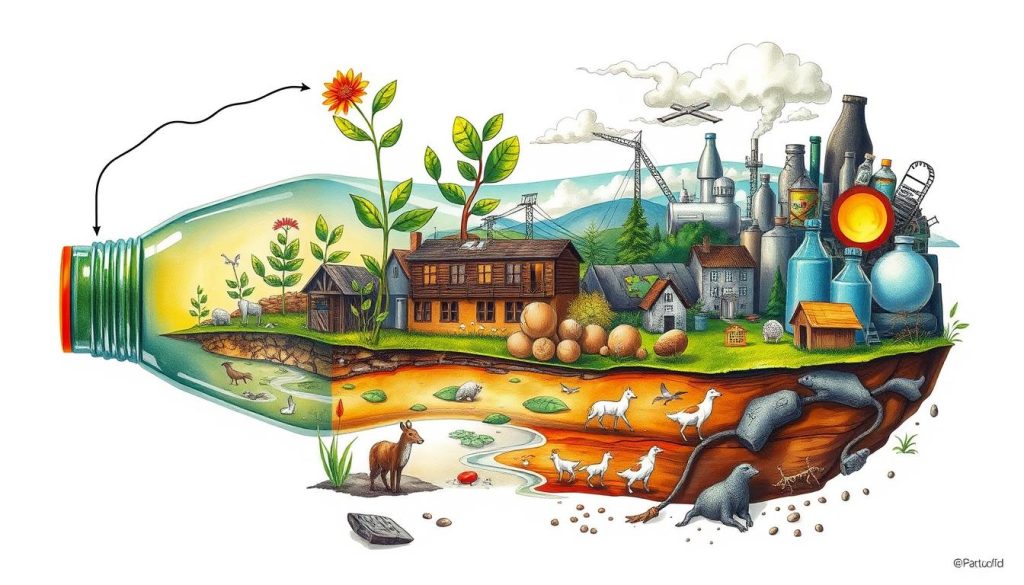
The Lifecycle of a PET Bottle
Nov
Have you thought about the journey of a PET bottle? From its beginning in production to ending up in landfills or recycling centers, it’s complex. Knowing these stages is important. This helps us tackle plastic pollution in South Africa.
Every day, over 60 million plastic bottles are thrown away in the United States. This poses a big challenge to our environment. PET, short for polyethylene terephthalate, is strong and light. But, we need to think about how using plastic affects our world. Exploring the lifecycle of a PET bottle shows us its production, use, and recycling. This journey affects our communities and the planet.
Key Takeaways
- The lifecycle of a PET bottle includes production, consumption, and recycling stages.
- Over 500 billion PET bottles are used worldwide, highlighting its popularity in packaging.
- PET is 100% recyclable, making proper disposal essential for sustainability.
- Up to 1,000 years can pass before non-recycled plastic bottles decompose in landfills.
- Recycled PET bottles reduce greenhouse gas emissions by 79% compared to new production.
- Innovative technologies like Near Infrared (NIR) improve the efficiency of PET bottle production.
- Community participation plays a vital role in the effective recycling of PET bottles.
Introduction to PET Bottles
Learning about the materials we use every day enlightens us about our environmental impact. PET, short for polyethylene terephthalate, is key in modern packaging. As a plastic, it is notable for being strong and light. This trait is crucial for the packaging of everyday items.
What is PET?
PET is widely used for making food and drink containers. It comes from crude oil or gas, transformed into this flexible material. It’s known as type #1 plastic, highlighting its recycling ease. Although PET takes about 450 years to decompose, its recyclability helps ease the environmental strain caused by single-use plastics.
Importance of PET in Packaging
PET’s role in packaging is invaluable. It safeguards our food and drinks while supporting green efforts with its ease of recycling. Choosing PET-packaged products means we’re picking a material that can be recycled up to three times. This choice helps save energy and preserve resources. However, overcoming recycling barriers is vital to lessen our environmental impact.
Manufacturing Process of PET Bottles
The making of PET bottles is a complex journey. It starts with essential raw materials from petroleum, crucial for high-quality PET. Let’s dive into the path from these raw materials to the finished product. We’ll look at the steps involved in preparing PET bottles for consumers.
Raw Materials: From Oil to PET Resin
Petroleum-derived ethylene glycol and purified terephthalic acid (PTA) are key for PET manufacturing. They go through a strict refining process to meet high quality standards. Turning these materials into resin pellets is the first step in making durable PET products.
The Production Line: Step-by-Step
Resin pellets are transformed into PET bottles on the production line. First, high temperatures cause polymerization, creating long-chain polymers for PET resin. This resin then turns into preforms through injection molding. Finally, blow molding machines shape them into PET bottles, producing thousands an hour. Companies like Wkai offer large production capacity with efficient automated systems.
Quality Control in Manufacturing
Quality control is vital in making PET bottles. It involves rigorous tests to ensure bottles meet safety and quality standards. Pressure testing confirms bottle integrity, making sure they fit for use. It’s also essential to consider environmental impacts, like energy use, in PET production. This encourages manufacturers to improve their energy efficiency.
| Step | Description | Purpose |
|---|---|---|
| 1. Raw Material Sourcing | Gathering ethylene glycol and PTA from petroleum. | To obtain essential materials for PET production. |
| 2. Polymerization | Heating and combining raw materials to create PET resin. | To form the base material for bottle production. |
| 3. Preform Creation | Injection molding of resin to create preforms. | To prepare for the final bottle-shaping process. |
| 4. Blow Molding | Shaping preforms into PET bottles. | To produce the final product ready for distribution. |
| 5. Quality Testing | Conducting pressure and safety tests on finished bottles. | To ensure compliance with industry standards. |
Transportation and Distribution
Getting PET bottles to where they need to go is vital. This step needs good planning to be quick and green. The journey these bottles take is important for both keeping products in stock and taking care of the planet.
Getting PET Bottles to Our Products
We need a smart system to move PET bottles to plants. The further they have to go, the more pollution is created. We are working to use materials from closer places and cleaner ways to move them to cut down on this pollution.
The Role of Logistics in Sustainability
Smart logistics is key to making PET bottle transport more eco-friendly. If we plan better routes and use greener transport, we use less energy and pollute less. Choosing to reuse PET bottles also helps a lot. Plus, new ideas and designs can make our efforts even stronger.
Usage of PET Bottles
PET bottles are essential in our lives, used in many areas. Their uses go beyond just holding drinks. They are light, strong, and don’t break easily. This makes PET perfect for packing a variety of items.
Common Applications in Our Daily Lives
We see PET bottles around us every day. Here are some ways:
- Beverages: Bottled water and soft drinks mostly use PET. Its wide use shows PET’s flexibility and handiness.
- Food Packaging: PET containers hold salad dressings and sauces. This makes it easy to enjoy these products.
- Household Products: Items like cleaning supplies and personal care goods often come in PET bottles.
The Convenience of PET Bottles
PET bottles are so convenient. They’re designed for easy carrying and saving space. Globally, over 500 billion PET bottles are used. This is huge. Yet, the convenience leads to a massive waste problem. Around 75% of plastic water bottles aren’t recycled, filling up landfills.
To lessen the environmental harm, we should recycle and reuse PET. Realizing the importance of our choices can help reduce the damage from PET waste. It pushes us towards a greener future.
Collection and Recycling of PET Bottles
Managing PET bottles through collection and recycling is key for sustainability. By using community initiatives, we can push for proper recycling. This greatly betters the collection of PET. Without these grassroots movements, lots of recyclables would be wasted, filling up landfills more.
How We Can Collect PET Bottles Effectively
Communities are essential in improving PET bottle collection. To make it better, we can:
- Start local recycling programs that have easy-to-use collection spots.
- Tell people why recycling PET is good, including how it cuts down on landfill waste.
- Have community clean-up events to get more people involved in recycling.
The Recycling Process Explained
The path of PET from being collected to becoming new products involves many steps. Generally, it goes through eight phases:
- Collection
- Transportation
- De-baling
- Sorting
- Flaking
- Washing
- Drying
- Extrusion and Pelletization
Recycling PET cuts down on waste and uses less water and chemicals than making new pellets. A RUNI Screw Compactor can shrink the size of PET bottles to 1/8th, making transport and processing easier. The SK240 screw compactor can crush 5,000 0.5-liter bottles every hour. Meanwhile, the SK370 can handle 20,000 0.5-liter bottles or 8,000 1.5-liter bottles in an hour.
Recycled PET, also known as rPET, is safe for storing food, as certified by global agencies. PET’s role in recycling shows its value in a circular economy. With proper recycling programs, we can redirect billions of PET bottles yearly to new uses, keeping them away from incinerators or landfills.
Environmental Impact of PET Bottles
PET bottles are both a blessing and a problem for our environment and health. They are popular for being light and easy to recycle. But, we must also look at the environmental harm they can cause.
Benefits vs. Challenges
PET bottles have a positive side, like being recyclable, which helps cut down waste. Choosing PET over materials like glass or aluminum can reduce emissions and water use. For example, using PET saves a lot of water and cuts down on greenhouse gases.
However, creating and getting rid of PET has its downsides. Making them releases harmful chemicals, hurting air quality and health in nearby areas. When they end up in landfills, they hardly break down and release tiny plastics into our earth and water. These microplastics harm animals and can reach humans through the food we eat.
How Recycling Helps Reduce Waste
Recycling PET bottles helps solve some of these problems. Each recycled bottle saves important resources and lowers the need for new materials. This means less energy used and fewer harmful gases. In 2018, only about 29% of PET bottles in the US were recycled. We need to do better.
By recycling more and learning about sustainability, we can address the issues with PET bottles. This way, we can keep millions of tons of waste out of landfills.
Life After Recycling: The New Cycle
A PET bottle’s journey doesn’t stop after we use it. We see how products from recycled PET can help our planet. By turning waste into useful things, we fight plastic pollution.
Creating New Products from Recycled PET
Recycling gives PET bottles another chance at life. First, these bottles are collected and then broken down. This process makes new things like:
- Textiles for clothing
- Carpets
- Containers
- Fleece linings for coats
Companies like Coda Plastics Limited lead by recycling their own and others’ plastic. This shows how new recycling ideas make waste useful again.
Innovations in Recycled PET Applications
New innovations in recycling make it better and more efficient. These advanced methods produce high-quality recycled PET. They make it possible to turn recycled materials into top-notch products. As technology gets better, we see new ways to use less new plastic.
These advancements help tackle the huge plastic waste issue. Currently, only a small part of recycled PET makes new bottles. There’s room for improvement. By using better recycling techniques and joining recycling programs, we aim for a greener future.
| Product Type | Application | Recycling Process Used |
|---|---|---|
| Textiles | Clothing manufacturing | Mechanical recycling |
| Carpets | Home and commercial carpeting | Chemical recycling |
| Containers | Packaging for food and beverages | Mechanical recycling |
| Fleece Linings | Winter apparel | Chemical recycling |
We can make a difference by supporting products from recycled PET. Together, we can create a cleaner world for the next generations.
The Role of Brands and Companies
Brands have a big role in the PET lifecycle. They shape both production and recycling. By practicing sustainability, they boost their image and help the planet. It’s important for companies to manage their impact on the environment responsibly.
Corporate Responsibility in PET Lifecycle Management
Today, only 14% of plastic gets recycled worldwide. It’s crucial for brands to be more involved in the PET lifecycle. Using recycled materials helps the planet a lot. ALPLA is a leader in this. They make PET bottles that can be used up to 25 times with up to 100% rPET. Their work shows how companies can change the packaging industry for the better.
Collaboration for Sustainable Solutions
Working together is key to solving plastic pollution. Brands, groups, and governments need to share ideas and innovations. Technologies like XTREME Renew from SIPA and EREMA are exciting. They could cut energy use by 30% and CO2 emissions by almost 80%. These efforts help build a circular economy for PET, challenging and changing our use of single-use plastics.
Government Regulations and Policies
In South Africa, new policies are changing how we deal with waste. The government wants to manage plastic waste better to protect our planet. This push towards recycling is critical for reducing our impact on the environment.
South Africa’s Approach to Waste Management
The Waste Act was updated on 05 November 2020. It now includes Extended Producer Responsibility (EPR) for certain items. This means makers of products must ensure their goods are recycled properly.
They have goals to meet. For PET bottles, the aim is to have 10% recycled content in the first year and 20% by year five. This plan is part of South Africa’s bigger effort to improve waste management.
Incentives for Recycling and Sustainability
The government is offering incentives to boost recycling. More than 70% of PET bottles need to be collected in the first year. This rule applies to other items too, like lightbulbs and LED lights.
There are financial rewards for recycling. These include a PET levy and bonuses for recycling locally. For more on this topic, check out a detailed report on plastic regulations and policies. It shows how important it is for everyone to work together for a greener future.
Community Involvement in PET Recycling
We are key to boosting recycling in our communities. By getting involved, we help encourage others to follow sustainable habits. Together, we can make a big difference in recycling PET bottles and other materials, tackling plastic waste head-on.
How We Can All Participate
Taking part in community recycling needs us to commit together. Here’s what we can do:
- Organize local clean-up events to collect PET bottles and promote awareness.
- Set up educational workshops aimed at teaching families about recycling best practices.
- Collaborate with local businesses to establish drop-off points for PET recycling.
- Encourage schools to implement recycling programs, fostering a culture of sustainability among children.
Success Stories from Local Communities
Many communities have made big leaps in their recycling work:
“Together, we managed to boost local participation by over 40% through community-led campaigns!”
In different places, grassroots efforts have greatly improved PET bottle recycling. For instance, one community wants to recycle an extra 250 million pounds of PET by 2027. There’s also a project aiming for over 60% PET thermoform recycling by 2025, showing great progress.
Local recycling plants have seen new innovations too. Thanks to over $5 million in grants, 23 facilities are better at recovering and processing plastic. This demonstrates a strong commitment to recycling and sustainable actions within communities, aiming to keep PET materials in use and out of the waste stream.
Being part of these recycling initiatives benefits us now and in the future. It helps us see and use PET products differently. Through our involvement, we aid in making our environment cleaner and securing a sustainable world for everyone.
Future Trends in PET Bottle Technology
Plastic packaging is changing fast. We see big steps in the future of PET technology. These are aimed at less harm to the environment, more efficiency, and sustainability. New methods in making PET bottles and eco-friendly plastics help us reach our global green goals.
Innovations in PET Production
New ways are shaping the making of PET bottles. Using NIR (Near-Infrared) heating shows we care about being efficient. This method cuts down energy use in making PET bottles. It lets NIR light go through PET materials for better heating. This is great for making different bottle shapes, including those for hot liquids.
NIR tech also helps sort PET bottles by color more efficiently. This is key for recycling. With new tech, making recycled PET (rPET) uses a lot less energy and greenhouse emissions than new PET. This moves us towards greener production.
The Shift Toward Biodegradable Alternatives
There’s a big push for biodegradable plastics now. They offer a way to lessen the plastic problem. These new materials are a good choice as we look for green packaging options. The bottled water market is growing, showing we drink more from bottles than ever, especially in places like Italy and Germany.
Studies show using recycled PET flakes needs a lot less energy and cuts greenhouse gases by 71%. These steps not only make the cycle greener but also keep PET in step with market changes.
| Innovation | Benefit |
|---|---|
| NIR Heating System | Reduces energy consumption during production |
| Optical Sorting Technology | Efficient automatic sorting of PET by color |
| Recycled PET Usage | 79% fewer greenhouse emissions compared to virgin PET |
| Biodegradable Plastics | Mitigates environmental challenges |
Conclusion: Our Responsibility Towards a Sustainable Future
We must think about how we can shape a sustainable future with PET. Making smart choices is key. Since the 1970s, PET bottles have become popular for drinks because they are clear, safe, and can be recycled. Choosing to reuse and recycle PET bottles helps reduce waste and supports sustainability.
Making Informed Choices
We all have a duty to participate in recycling. In South Africa, 46.3% of plastic waste gets recycled, with PET bottles leading the way. From 2016 to 2018, the recycling rate for PET bottles jumped from 55% to 63%. This shows we’re making progress. By adopting new recycling technologies like XTREME Renew, we can recycle more efficiently, using less energy and reducing emissions.
The Power of Collective Action
Waste generation in Africa is expected to double by 2025. This makes it urgent to improve recycling methods. We need everyone—consumers, brands, communities, and governments—to work together. If we unite our efforts, we can address the issue of plastic waste. We aim for a circular economy where PET bottles are reused, not thrown away. Together, we can ensure our packaging future is sustainable and responsible.
FAQs
What is PET and why is it used for bottles?
PET stands for polyethylene terephthalate. It’s a strong, light plastic used for packaging foods and drinks. It makes bottles durable and safe for use.
How are PET bottles manufactured?
First, we extract crude oil to make naphtha. Then, we use this to create PET resin. This resin turns into preforms, which are molded into bottles. Each bottle goes through quality checks to ensure safety.
Why is recycling PET important?
Recycling PET helps reduce waste and saves natural resources. Although PET does not biodegrade and can stay in landfills for centuries, recycling turns old materials into new products. This lessens its environmental impact.
How can we encourage proper recycling of PET bottles?
Teaching communities about recycling is key to boosting rates. Accessible programs and encouraging people to return bottles can improve collection. This helps make recycling easier for everyone.
What happens to PET bottles after they are recycled?
Recycled PET can become textiles, carpets, and more containers. New recycling methods even allow for high-quality recycled PET. This gives PET a new life in different forms.
What role do brands play in the lifecycle of PET bottles?
Brands help by using recycled materials and promoting sustainable production. They work with others to cut down on plastic waste. This teamwork leads to better waste management.
How does governmental policy impact PET recycling in South Africa?
South Africa’s government has policies making manufacturers part of recycling. With incentives, consumers also get involved. These steps help increase recycling efforts.
What can individuals do to support recycling efforts in their communities?
People can join local recycling efforts and learn about proper disposal. Taking part in clean-ups also helps. Working together builds a strong, green community.
What are future trends in PET technology?
There’s progress in making PET better with biodegradable options and improved recycling. These efforts aim to reduce plastic’s harm to our planet and push sustainability forward.
